




QR Code

Products
Contact Us


Fax
+86-579-87223657

Email

Address
Wangda Road, Ziyang Street, Wuyi County, Jinhua City, Zhejiang Province, China



As the semiconductor industry pushes toward larger wafer diameters, higher operating temperatures, and ever-tighter contamination budgets, the demands placed on graphite components have grown considerably. Crucibles, susceptors, heaters, guide rings, and seed holders are no longer expected just to endure heat—they also need to hold their shape, suppress impurity release, and survive extended runs in aggressively reactive atmospheres.
To address these challenges, Chemical Vapor Deposition (CVD) tantalum carbide (TaC) coatings have emerged as a highly promising solution for protecting graphite parts in advanced semiconductor production lines. This article looks at why TaC coatings are attracting growing interest, and how they contribute to more stable processes, longer part lifetimes, and better overall manufacturing efficiency.
Why Graphite Components Need Protective Layers
Graphite has long been a go-to material for high-temperature semiconductor hardware, thanks to its good thermal conductivity, low density, and ease of machining. But bare graphite has well-known weaknesses when exposed to the harsh conditions inside process chambers:
These issues become especially critical in processes like:
With device geometries shrinking and performance requirements tightening, even minor contamination or slight wear on graphite parts can directly affect wafer yields and final device reliability.
What Exactly Is TaC Coating?
Tantalum carbide (TaC) is an ultra-refractory ceramic with a melting point around 3,880°C—one of the highest known. It pairs remarkable thermal stability with outstanding chemical inertness, making it a natural candidate for shielding graphite surfaces that see aggressive semiconductor environments.
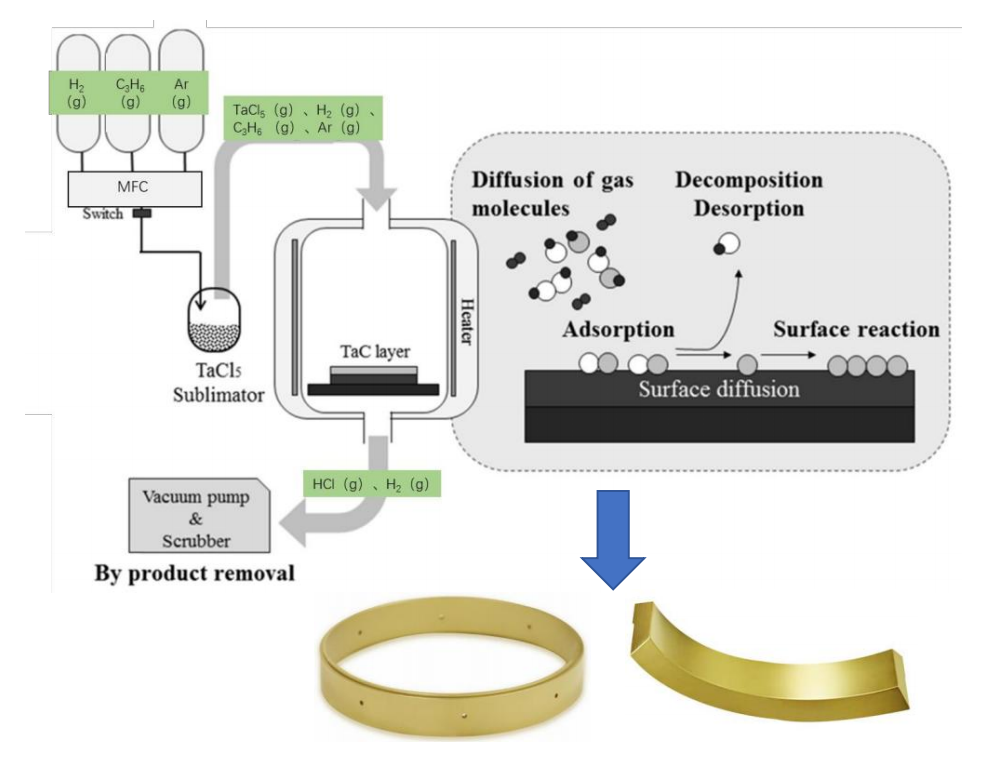
Rather than replacing the graphite entirely, TaC is applied as a dense, thin layer via CVD. This gives you the best of both worlds:
The net result is a component that can hold up under conditions that would quickly degrade plain graphite.
Key Benefits of CVD TaC Coating
(1) Exceptional High-Temperature Robustness
Many semiconductor processes run between 1,500°C and well above 2,500°C—temperatures that push most materials to their limit. TaC retains its structural integrity across this range, and it effectively insulates the underlying graphite from thermal degradation over many production cycles.
(2) Superior Chemical Resistance
One of TaC's standout features is its ability to withstand corrosive gas species that eat away at other coatings. In practice, it shows markedly better resistance than conventional protective layers when exposed to:
That improved chemical durability translates directly into fewer part replacements and more predictable production runs.
(3) Lower Contamination Risk
As crystal quality and defect-density targets become more stringent, keeping the process environment clean is paramount. A well-deposited TaC coating forms a nearly impermeable barrier that helps reduce:
Cleaner conditions support higher-quality crystals and better run-to-run repeatability.
(4) Extended Service Life
Replacing thermal-field parts is costly—not just in materials, but in downtime and requalification efforts. Because TaC coating slows surface corrosion and wear so effectively, many coated graphite components last significantly longer than their uncoated counterparts. That means fewer interruptions and lower overall operating costs.
(5) Strong Adhesion to the Substrate
Modern CVD processes deposit TaC atom by atom onto the graphite surface, yielding excellent interfacial bonding. Unlike mechanical or sprayed-on coatings, CVD gives you:
This robustness is critical for production environments where consistency is non-negotiable.
Typical Uses of TaC-Coated Graphite Parts
As the technology matures, TaC-coated components are finding their way into more and more semiconductor applications. Common examples include:
SiC Crystal Growth (PVT)
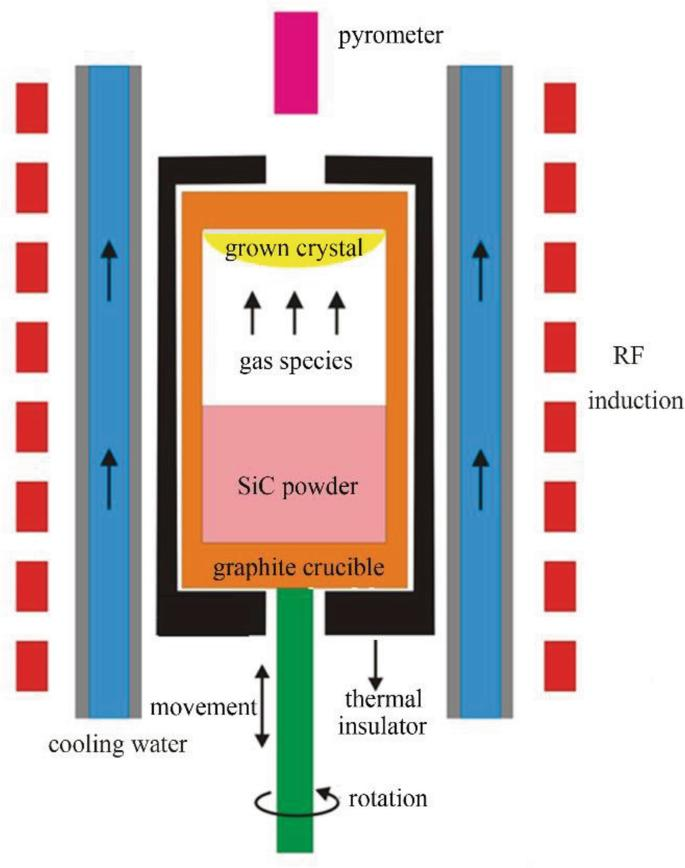
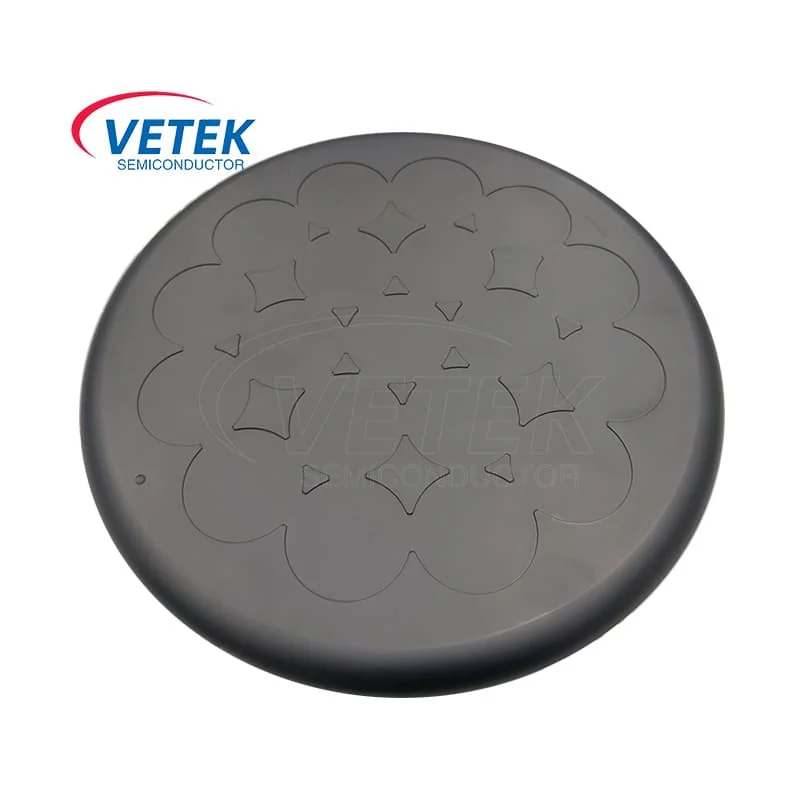
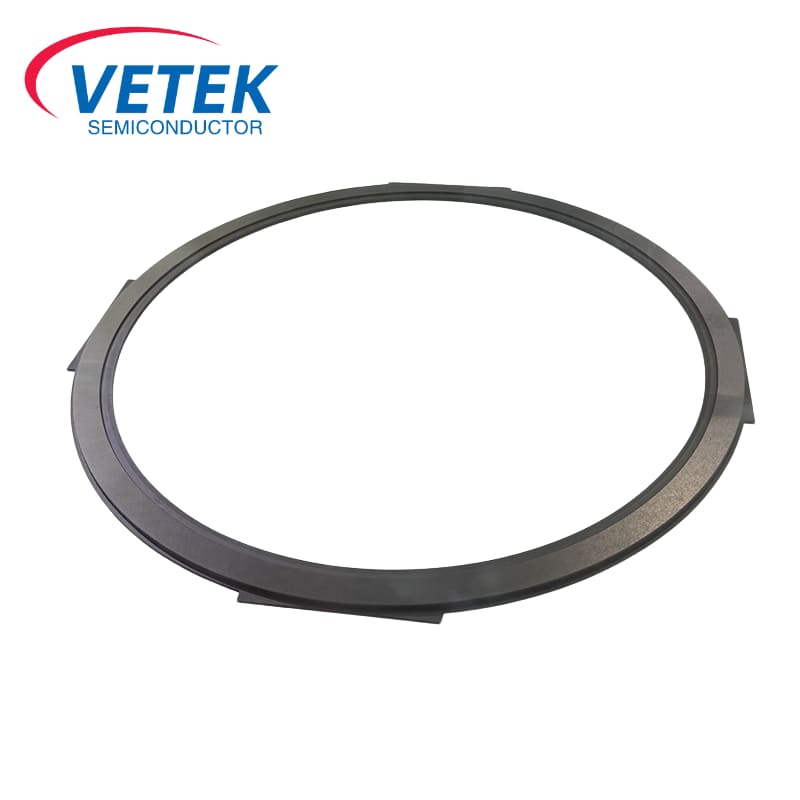
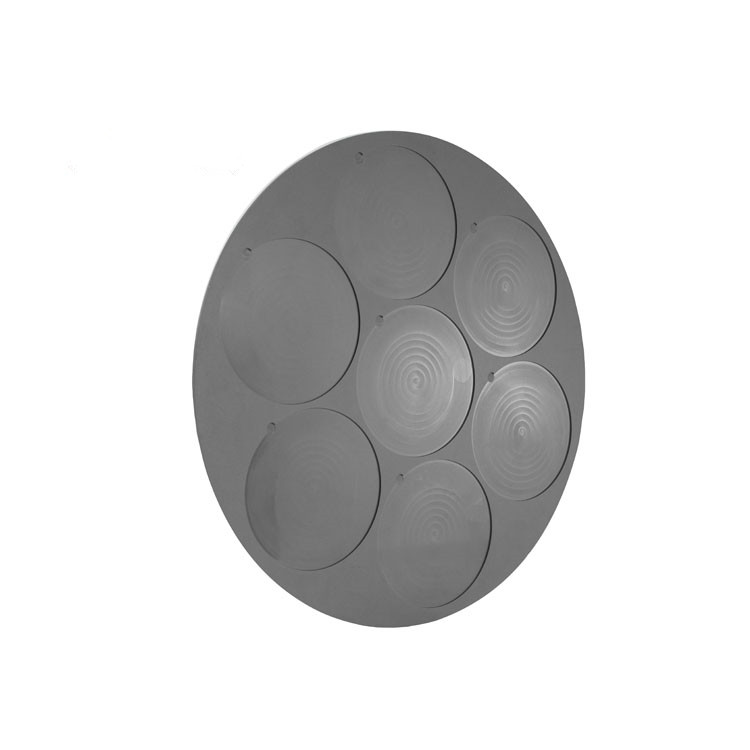
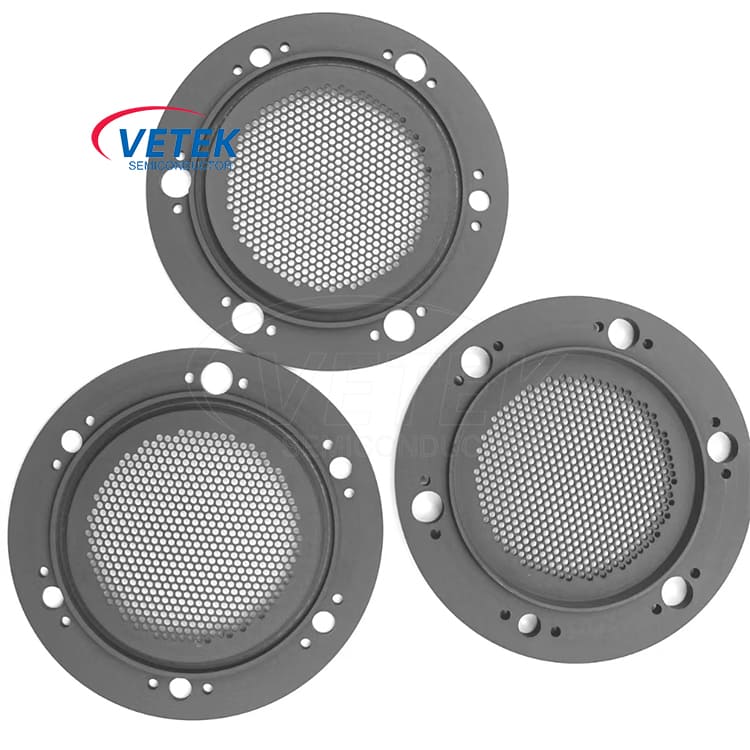
TaC-coated crucibles, seed holders, guide rings, and crucible rings are now widely used to cut down on impurities inside the growth chamber while extending the usable life of the hot-zone hardware.
GaN MOCVD Systems
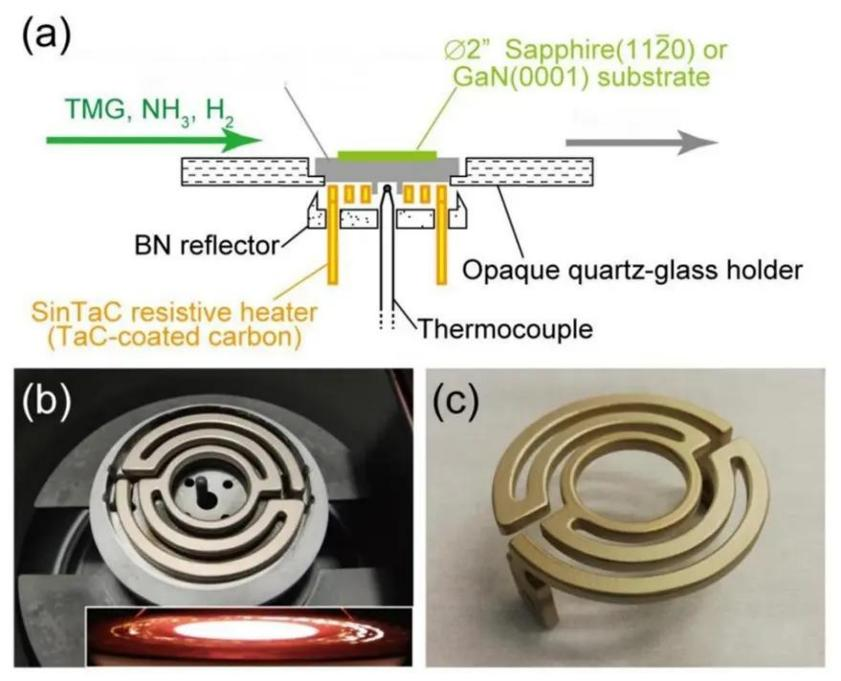
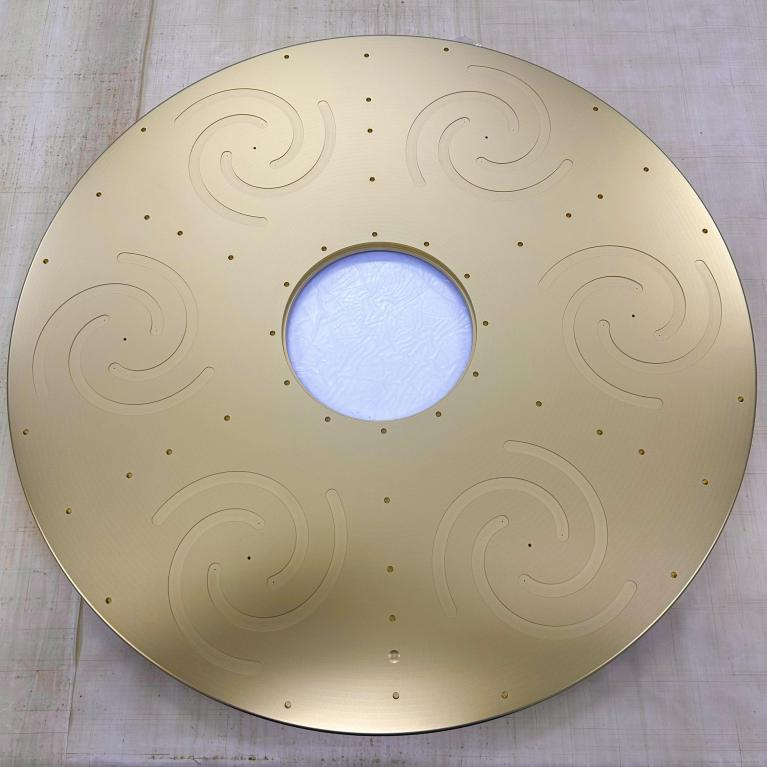
Graphite heaters with a TaC coating deliver stable thermal output and resist corrosion from ammonia and hydrogen during GaN epitaxy, helping maintain uniform temperature profiles over long campaigns.
Epitaxial Susceptors (Wafer Carriers)
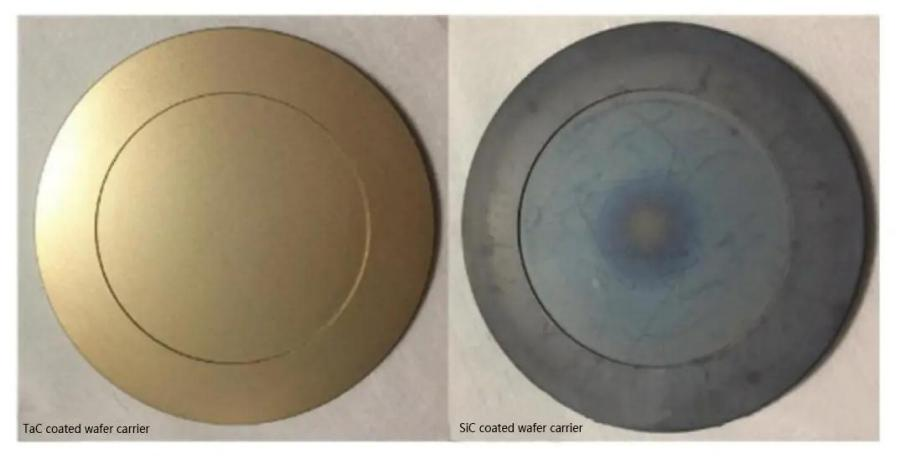
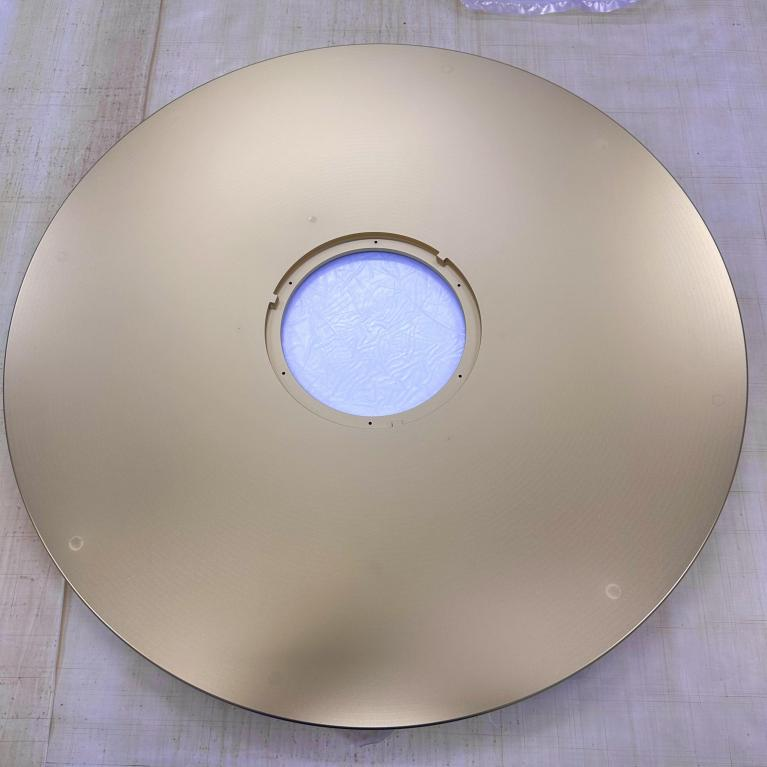
Susceptors see repeated thermal shocks and corrosive gas exposure. A TaC coating gives them a much better chance of surviving many runs without surface deterioration.
Other High-Temperature Semiconductor Equipment
Additional uses include AlN crystal growth, silicon epitaxy, general thermal-field components, and even some advanced ceramic processing tools.
Why the CVD Method Matters
Not all TaC coatings are created equal. Among the various deposition techniques, CVD is widely considered the gold standard for semiconductor-grade work because it delivers:
For applications where consistency and reliability are everything, CVD stands out as the clear choice.
Looking Ahead: The Role of TaC-Coated Graphite
With the industry shifting toward:
graphite components will only face greater stress. TaC coating is moving beyond just a protective layer—it's increasingly seen as a key enabler for next-generation manufacturing. Companies that are serious about boosting yields, maximizing tool uptime, and extending part life are already looking at TaC-coated graphite as a strategic part of their long-term process optimization.
Conclusion
The rising adoption of TaC coatings reflects a simple reality: the semiconductor industry needs materials that can keep up with ever-more-demanding conditions. By marrying graphite's thermal advantages with tantalum carbide's chemical resilience, CVD-TaC-coated parts offer a practical path to reduced contamination, longer component lifetimes, and more stable production runs. As crystal growth and epitaxy technologies continue to advance, TaC coatings are poised to play an even larger role across a wide range of semiconductor manufacturing steps.
Frequently Asked Questions
1. Is TaC coating better than plain graphite?
For most high-temperature semiconductor processes, yes—TaC coating gives significantly better protection against corrosion, contamination, and mechanical wear, which usually translates into a much longer service life.
2. Which industries use TaC-coated graphite?
Primarily semiconductor manufacturing, including SiC crystal growth, GaN MOCVD, silicon epitaxy, and advanced thermal-field systems.
3. Why is CVD preferred for applying TaC?
CVD produces dense, high-purity layers with excellent adhesion and thickness uniformity—exactly what demanding semiconductor applications require.
4. What types of graphite parts can be coated with TaC?
Typical candidates include crucibles, susceptors, seed holders, guide rings, heaters, trays, and other graphite parts exposed to high temperatures and reactive gases.
+86-579-87223657
Wangda Road, Ziyang Street, Wuyi County, Jinhua City, Zhejiang Province, China