





QR Code

Products
Contact Us


Fax
+86-579-87223657

Email

Address
Wangda Road, Ziyang Street, Wuyi County, Jinhua City, Zhejiang Province, China



Tantalum carbide (TaC) coating is a high-temperature ceramic protective layer applied to graphite and selected carbon-based components. In semiconductor manufacturing, CVD TaC coatings are used to protect critical furnace and reactor parts in demanding applications, including SiC single-crystal growth and epitaxial processing. Coating performance depends on its microstructure, purity, thickness, adhesion and compatibility with the operating environment.
Basic Physical properties of TaC coating
Density
14.3 (g/cm³)
Specific emissivity
0.3
Thermal expansion coefficient
6.3*10-6/K
Hardness (HK)
2000 HK
Resistance
1×10⁻⁵ Ohm*cm
Thermal stability
<2500℃
Graphite size changes
-10~-20um
Coating thickness
≥20um typical value (35um±10um)
Thermal conductivity
9-22(W/m·K)
Tantalum carbide coating can effectively protect graphite components from the effects of hot ammonia, hydrogen, silicon vapor, and molten metal in harsh usage environments, significantly extending the service life of graphite components and suppressing the migration of impurities in graphite, ensuring the quality of epitaxial and crystal growth.

Figure 1. Common Tantalum Carbide Coated Components
Chemical vapor deposition(CVD) is the most mature and optimal method for producing TaC coatings on graphite surfaces.
Using TaCl5 and Propylene as carbon and tantalum sources respectively, and argon as the carrier gas, the high-temperature vaporized TaCl5 vapor is introduced into the reaction chamber. At the target temperature and pressure, the precursor material vapor adsorbs on the surface of graphite, undergoing a series of complex chemical reactions such as decomposition and combination of carbon and tantalum sources, as well as a series of surface reactions such as diffusion and desorption of by-products of the precursor. Finally, a dense protective layer is formed on the surface of the graphite, which protects the graphite from stable existence under extreme environmental conditions and significantly expands the application scenarios of graphite materials.

Figure 2. Chemical vapor deposition (CVD) process principle
For more information about the principles and process of preparing CVD TaC coating, please refer to the article: How to prepare CVD TaC coating?
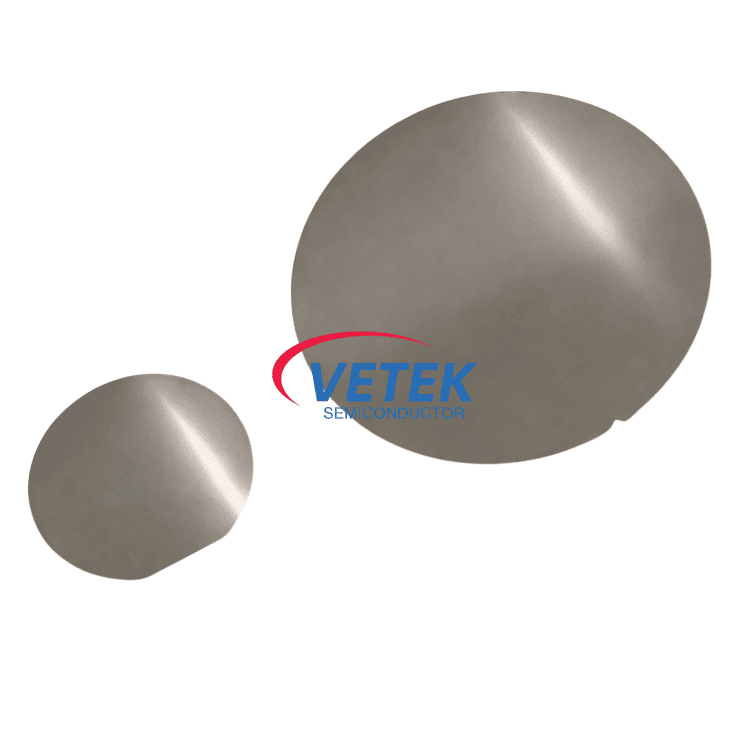
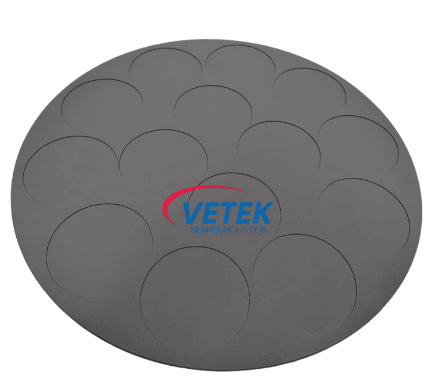
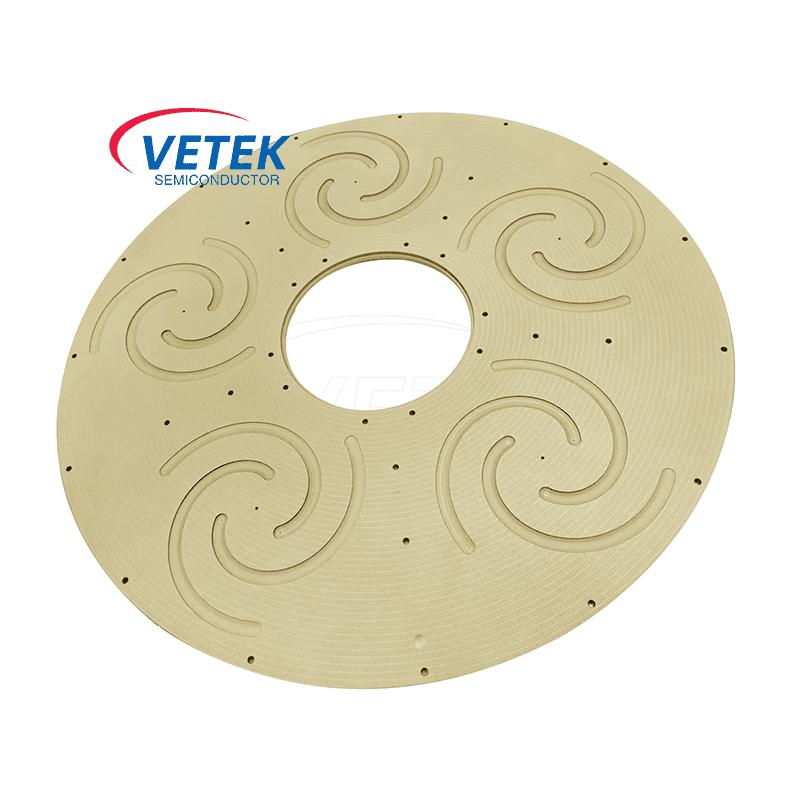
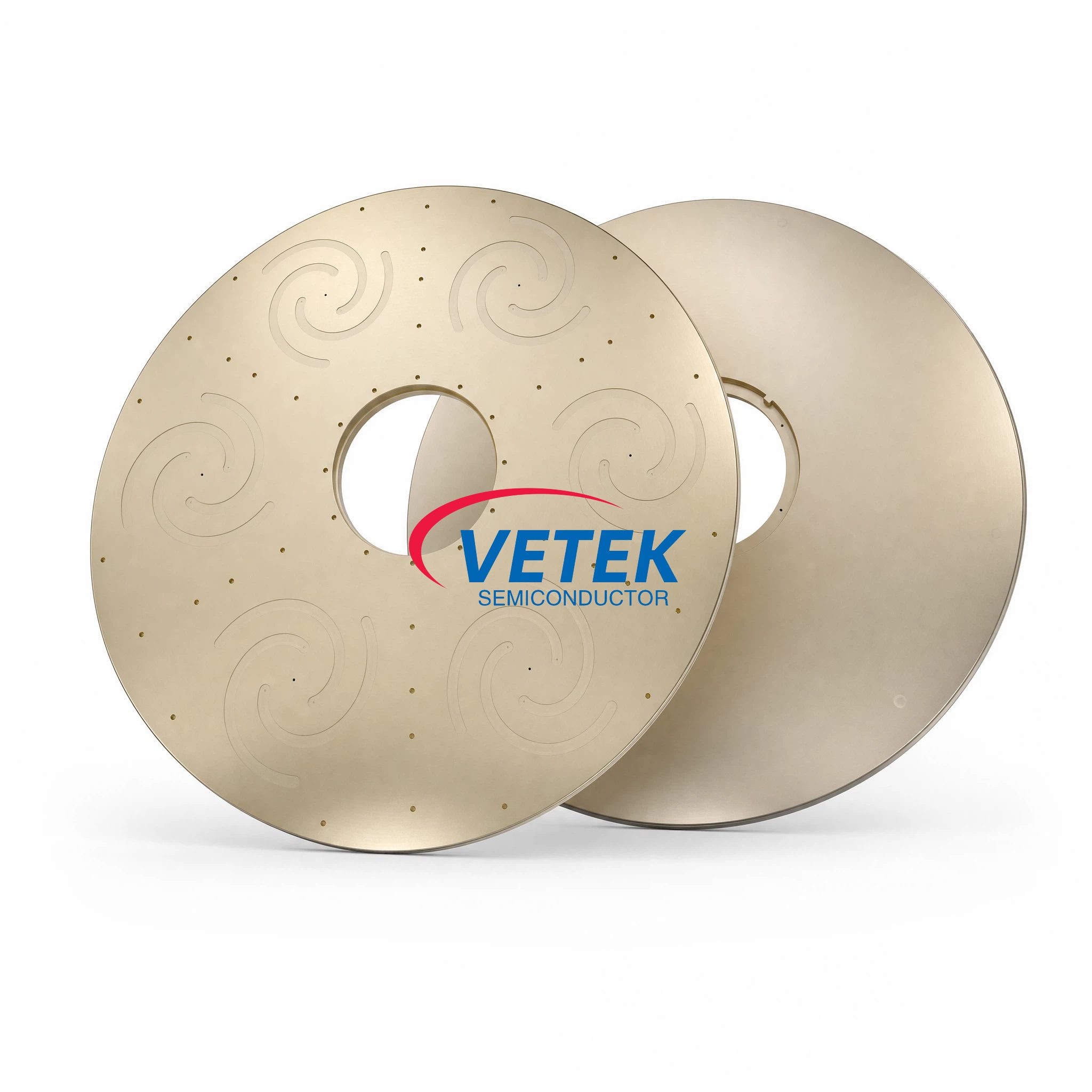
Veteksemicon mainly provides tantalum carbide products: TaC guide ring,TaC coated three petal ring,TaC coating crucible,TaC coating porous graphite are widely used is SiC crystal growth process; Porous Graphite with TaC Coated, TaC Coated Guide Ring, TaC Coated Graphite Wafer Carrier, TaC coating susceptors, planetary susceptor, And these tantalum carbide coating products are widely used in SiC epitaxy process and SiC Single Crystal Growth Process.

Figure 3. VeTek Semiconductor's Most Popular Tantalum Carbide Coating Products
1. What is TaC coating used for?
TaC coating is used to protect graphite and selected carbon-based components in demanding thermal and chemical environments. Important applications include SiC crystal-growth equipment and certain semiconductor epitaxial-processing components.
2. What is the difference between TaC and SiC coating?
TaC and SiC are different carbide materials with distinct thermal, chemical and mechanical properties. TaC can be useful in selected extreme-temperature crystal-growth environments, while CVD SiC is widely established in semiconductor reactor components. Selection depends on the application.
3. Why is TaC coating used in SiC crystal growth?
TaC coatings can help protect graphite components from demanding SiC PVT process environments. Properly qualified coating designs may reduce substrate degradation and associated contamination risks.
4. What causes TaC coating cracking or delamination?
Potential causes include residual stress, temperature gradients, substrate defects, incompatible thermal cycling and coating-interface degradation. Detailed failure analysis is needed to establish the actual cause.
5. Is TaC coating the same as tantalum metal coating or ta-C coating?
No. TaC is tantalum carbide, a ceramic compound of tantalum and carbon. Tantalum metal coating is a different material, while ta-C typically refers to tetrahedral amorphous carbon, a form of diamond-like carbon coating.
6. Can TaC-coated graphite components be customized?
Component geometry, graphite grade, coating requirements and inspection criteria can be specified for engineering review. Manufacturing feasibility and achievable tolerances should be confirmed against the application and approved drawings.
+86-579-87223657
Wangda Road, Ziyang Street, Wuyi County, Jinhua City, Zhejiang Province, China