
Tech &  solutions

VTEEK | Graphite Susceptor Compatibility and 1:1 Custom Replacement Solutions

Industry

Semiconductor manufacturing (epitaxy/etching equipment component replacement and customization)

Process

GaN MOCVD, SiC epitaxy, Si epitaxy, related hot-zone maintenance and spare part replacement

Solution

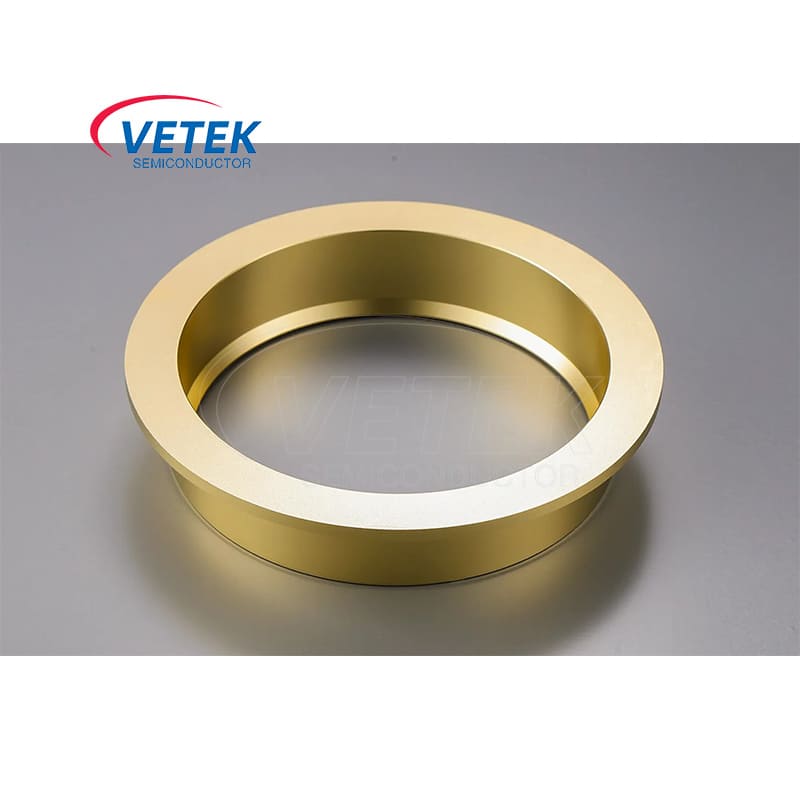
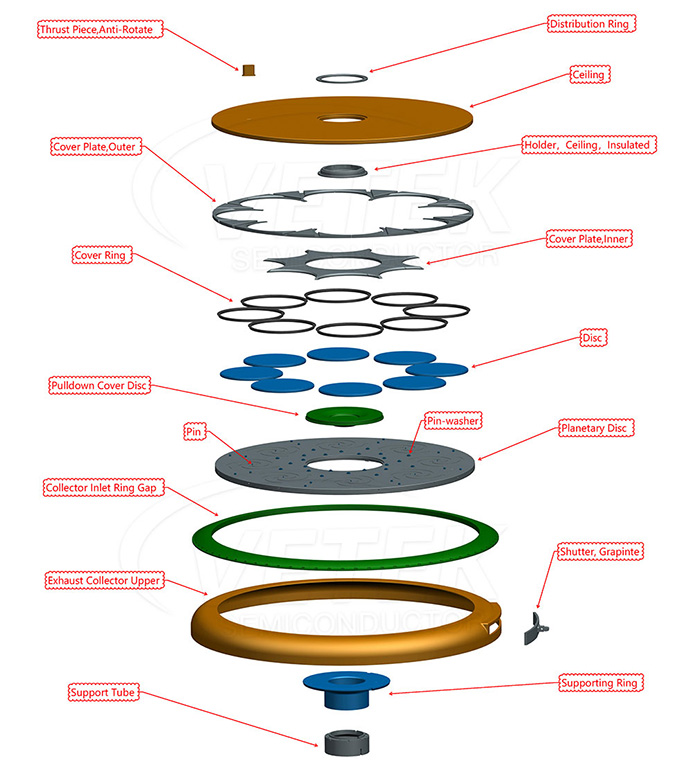
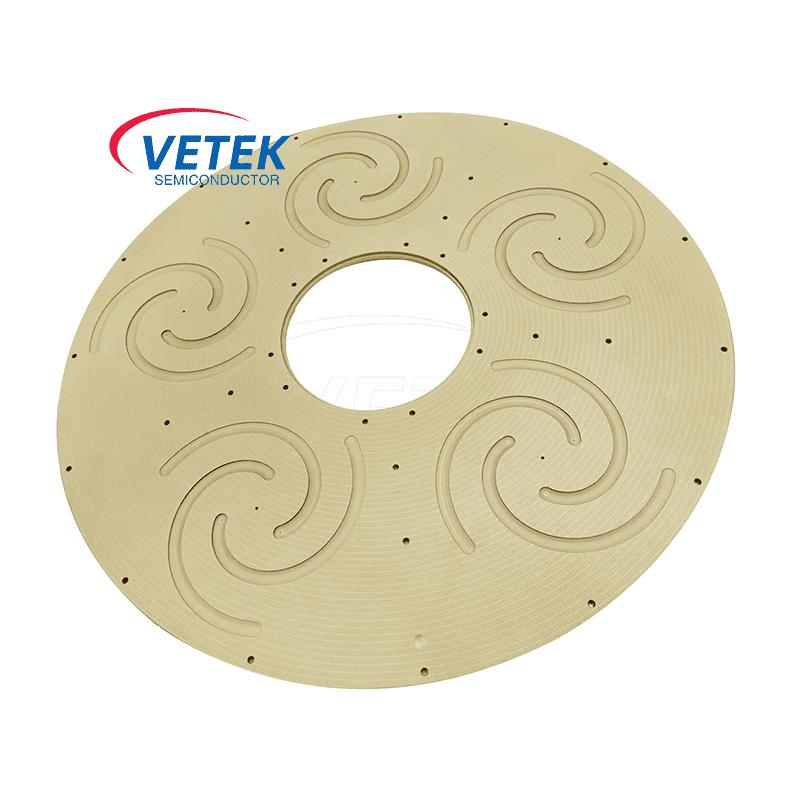
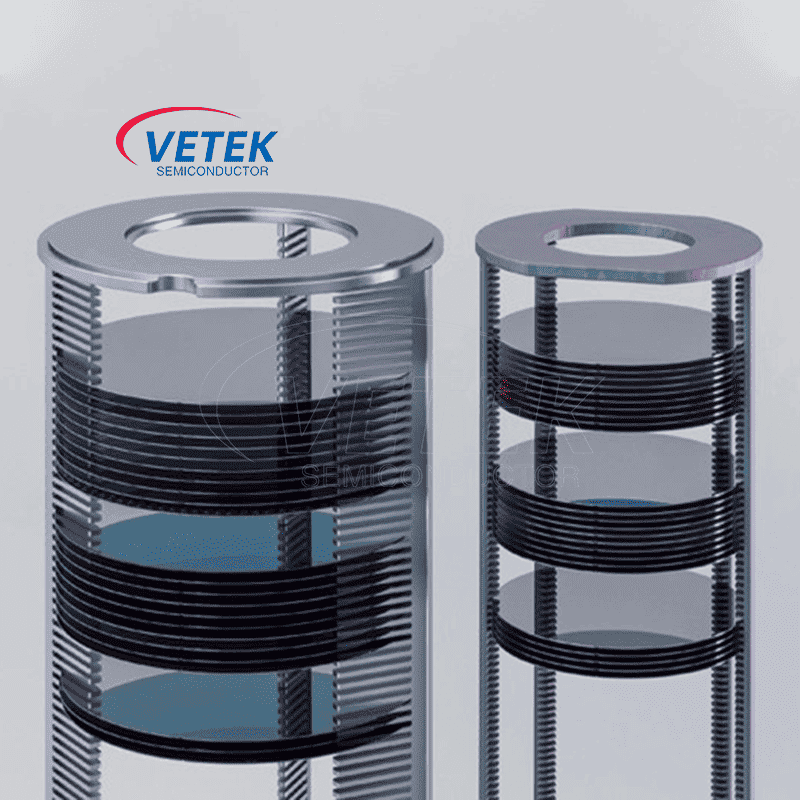
High-purity graphite + CVD SiC/TaC coated susceptor, preheat ring, diversion ring, halfmoon, etc.; supports 1:1 customization based on OEM spare parts or drawings

Services

Drawing/spare part evaluation, thermal field matching recommendations, sample on-tool verification, GDMS/ICP-OES reports, lead-time management, English technical communication

Results

• Covers major platforms including Aixtron G10, Veeco K465i, ASM Epsilon, AMEC, TEL

• Supports 1:1 dimensional and thermal field matching customization based on OEM spare parts or CMM drawings

• Standard products can ship quickly; custom parts typically 3–6 weeks

• Complete inspection reports and sample evaluation support provided

• Reference lifetime: SiC-coated susceptors in the 500–1000 h range (process-dependent)

This article outlines compatibility and replacement solutions for susceptors, preheat rings and related components on major platforms such as Aixtron, Veeco and ASM. It covers 1:1 drawing-based customization, thermal field matching, sample evaluation and lead-time points, helping engineers quickly assess feasibility and move into verification.

1. What Replaceable Parts Are Available for Aixtron G10, Veeco K465i and Other Major Platforms?

Core Conclusion: Coverage includes core hot-zone components such as susceptor, preheat ring, diversion ring, halfmoon and focus ring. Substrates are primarily high-purity graphite; coatings are primarily CVD SiC, with TaC or Solid SiC options for certain high-temperature or highly corrosive scenarios.

Chamber structures and thermal field designs differ significantly across equipment platforms. Replacement parts must simultaneously satisfy external dimensions, locating datums, surface condition and coating performance. The table below provides a quick reference for common platforms; actual projects still require confirmation against specific drawings or original parts.

Major Equipment Compatibility Quick Reference

Equipment Brand

Typical Model

Replaceable Parts

Substrate Option

Coating Option

Ref. Lifetime

Aixtron

G10

Susceptor, Preheat Ring

High-purity graphite

SiC

500–1000 h

Veeco

K465i

Susceptor, Diversion Ring

High-purity graphite

SiC/TaC

300–800 h

ASM

Epsilon series

Susceptor, Focus Ring

Solid SiC

No coating

2000+ h

AMEC

Etcher

Focus Ring, Halfmoon

Solid SiC/Graphite

SiC

By process

Lifetimes in the table are typical reference ranges. Actual performance is strongly influenced by process temperature, atmosphere, cleaning cycles and operating practices. It is recommended to rely on in-house historical data and sample verification results.

2. How to Achieve 1:1 Drawing-Based Customization and Thermal Field Matching for OEM Spare Parts?

Core Conclusion: Using customer-supplied OEM spare parts or CMM drawings as input, focus on external dimensions, locating datums, coating thickness and surface roughness. Where necessary, combine thermal field simulation or on-tool verification to ensure temperature uniformity and particle performance remain controllable after replacement.

What truly determines replacement success is often not “whether the shape can be machined,” but whether the thermal field stays within the process window and whether the coating surface introduces new particle sources.

Customization Inputs and Key Control Points

Common input methods include:

OEM spare part physical sample (measurable and analyzable)

Complete CMM or 2D drawings (including tolerances and surface requirements)

Equipment model + part name + key dimension photos (for preliminary evaluation)

After receiving inputs, the technical team focuses on: outer/inner diameter and height tolerances, locating pin or slot positions, coating thickness and uniformity targets, surface roughness (Ra) range, and any special edge or flow-field related structures. For thermally sensitive parts, recommendations on substrate purity and coating process are provided, with support for sample fabrication for customer on-tool verification.

Typical Timeline from Evaluation to Delivery

1. Requirements and drawing/spare part confirmation (1–3 working days)

2. Technical proposal and quotation (including substrate, coating and inspection items)

3. Sample fabrication and shipment (typically within several weeks, depending on complexity)

4. Customer on-tool verification and feedback

5. Volume production and delivery (standard products ship quickly; custom parts typically 3–6 weeks)

3.How Are Lead Times, Sample Evaluation and Inspection Reports Guaranteed for Custom Parts?

Core Conclusion: Standard products can ship quickly; custom parts typically take 3–6 weeks, with expedited options available upon negotiation. Sample evaluation is supported, and complete material and coating analysis reports (GDMS/ICP-OES, etc.) are provided to meet supplier qualification and process verification needs.

Lead time and reports are shared concerns of engineers and procurement. VeTek operates under an ISO9001 system with process traceability. Key batches can provide purity and coating inspection data as required.

Sample evaluation: Small-batch or single-piece samples are encouraged for on-tool verification of dimensional match, thermal field performance and particle levels before deciding on volume procurement.

Inspection reports: Complete purity analysis (ICP-OES, GDMS) and thickness/uniformity data for substrate and coating can be provided to meet internal quality and customer audit requirements.

Communication and after-sales: Both sales and engineering teams can communicate in English, facilitating coordination with overseas customers or international headquarters. Assistance with failure analysis and improvement is available when coating or dimensional anomalies occur.

4.Practical Recommendations for Engineers Initiating a Replacement Project

Core Conclusion: First clarify equipment model and part function, then prepare original parts or drawings. Prefer the sample verification path, and confirm thermal field and particle performance with data before scaling volume.

Recommended sequence:

1. Confirm equipment brand, model and target part name (susceptor / preheat ring, etc.).

2. Collect OEM spare parts or complete drawings; mark critical tolerances and surface requirements.

3. Describe the current process window (temperature, atmosphere, target lifetime and particle metrics).

4. Request from the supplier a list of substrate purity, coating thickness and inspection items.

5. Run samples on tool first; compare temperature uniformity, particles and lifetime before deciding on volume.

5.FAQ

1. Can you fully make 1:1 replacements based on our OEM spare parts or drawings?

Yes. 1:1 customization is supported based on OEM spare parts or CMM drawings, with attention to thermal field matching and coating performance.

2. Which major equipment platforms are currently covered?

Mainly Aixtron G10, Veeco K465i, ASM Epsilon series, AMEC etchers, TEL, etc. Primary parts include susceptor, preheat ring, diversion ring, halfmoon and focus ring.

3. What is the typical lead time for custom parts? Can urgent orders be expedited?

Standard products can ship quickly; custom parts typically take 3–6 weeks depending on design complexity and volume. Urgent orders can be expedited upon negotiation.

4. Is sample testing supported? What do we need to provide?

Sample evaluation is supported. It is recommended to provide equipment model, part drawings or original parts, and key current process requirements (temperature, atmosphere, particle targets, etc.) so that a matching proposal can be prepared.

5. Can inspection reports be provided? How are purity and coating data guaranteed?

Complete material and coating analysis reports (including GDMS/ICP-OES, etc.) can be provided. Coating purity can be lower than 5 ppm, some reaching 99.99995%; thickness uniformity is typically controlled within ±5%.

6.Summary and Next Steps

The core of equipment compatibility and custom replacement is moving from “it fits physically” to “thermal field and particle performance are acceptable.” First use the compatibility table to judge feasibility, then reduce risk through drawing/spare-part evaluation and sample verification — this is the more robust path for most fabs.

If you are evaluating replacement solutions for susceptors, preheat rings or other components on Aixtron, Veeco or other platforms, you are welcome to contact the VeTek technical team. Customization proposals, sample support and complete inspection reports can be provided. Dr. Xiao and the engineering team can assist with thermal field matching and special structure requirements.


Main References and Data Sources

1. VeTek Semiconductor internal engineering and customer project experience — customization and replacement practice on Aixtron, Veeco and other platforms.

2. Equipment compatibility and lifetime reference data from the pillar page CVD Coating Consumables Selection Engineering Handbook for Semiconductor Epitaxy & Etching Equipment.

3. VeTek official website product and technical materials: https://www.veteksemicon.com/silicon-carbide-coating

Note: Lifetimes and lead times in the tables are typical reference values. Actual figures are subject to specific project evaluation and contract terms.


Author: VeTek Semiconductor Technical Engineering Team (completed under the guidance of Dr. Xiao)

For further technical discussion or sample evaluation, please contact us via the official website.

X
We use cookies to offer you a better browsing experience, analyze site traffic and personalize content. By using this site, you agree to our use of cookies.Privacy Policy