



QR Code

Products
Contact Us


Fax
+86-579-87223657

Email

Address
Wangda Road, Ziyang Street, Wuyi County, Jinhua City, Zhejiang Province, China



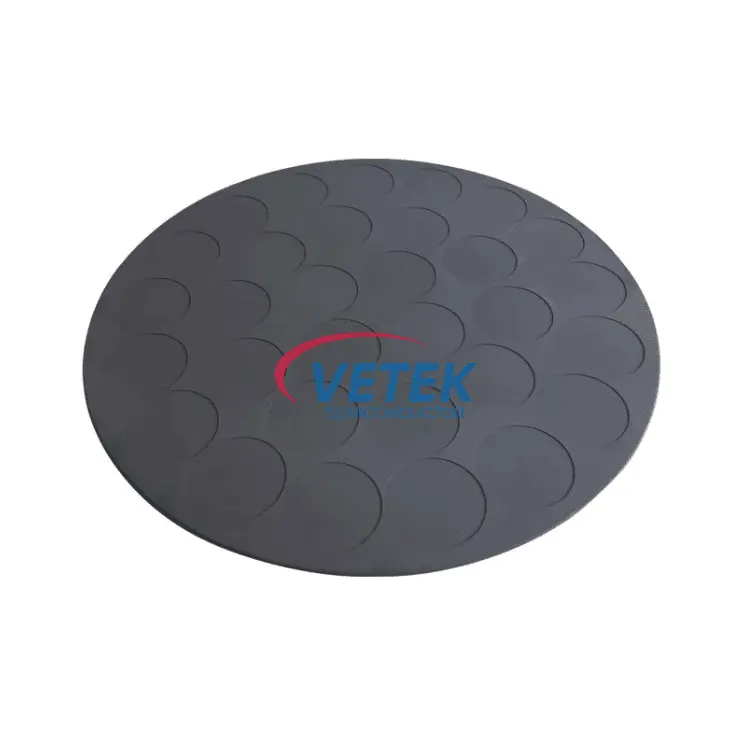
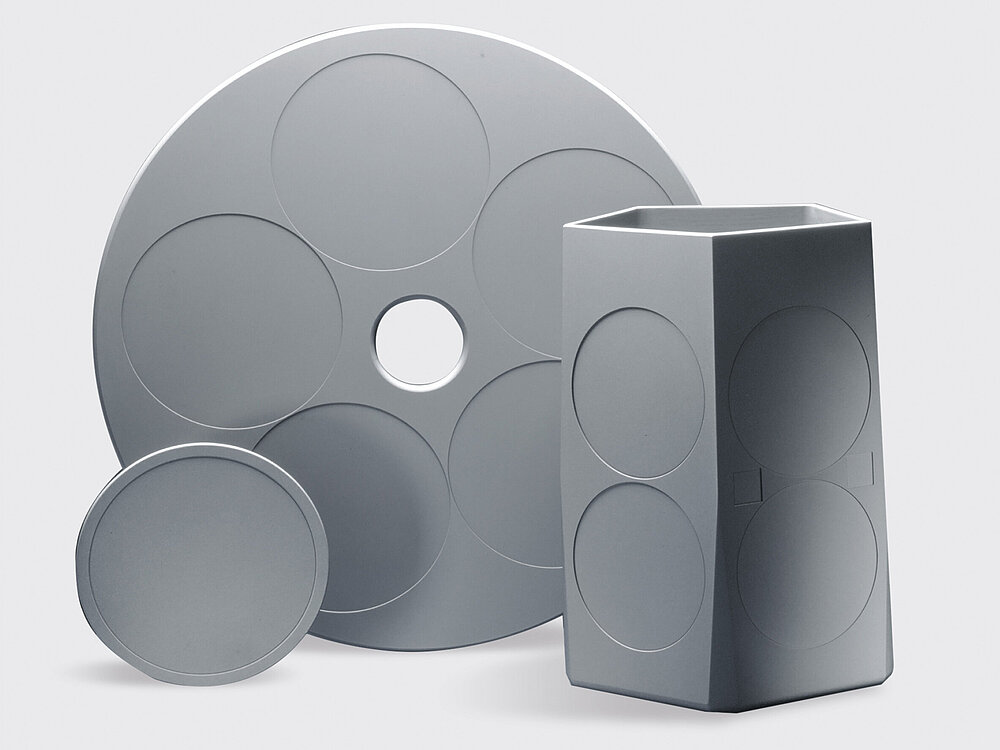
In semiconductor high-temperature processes, the handling, supporting, and thermal treatment of wafers rely on a special supporting component—the wafer boat. As process temperatures rise and cleanliness and particle control requirements increase, traditional quartz wafer boats gradually reveal issues such as short service life, high deformation rates, and poor corrosion resistance. Silicon carbide (SiC) ceramic wafer boats emerged in this context and have become a key carrier in high-end thermal processing equipment.
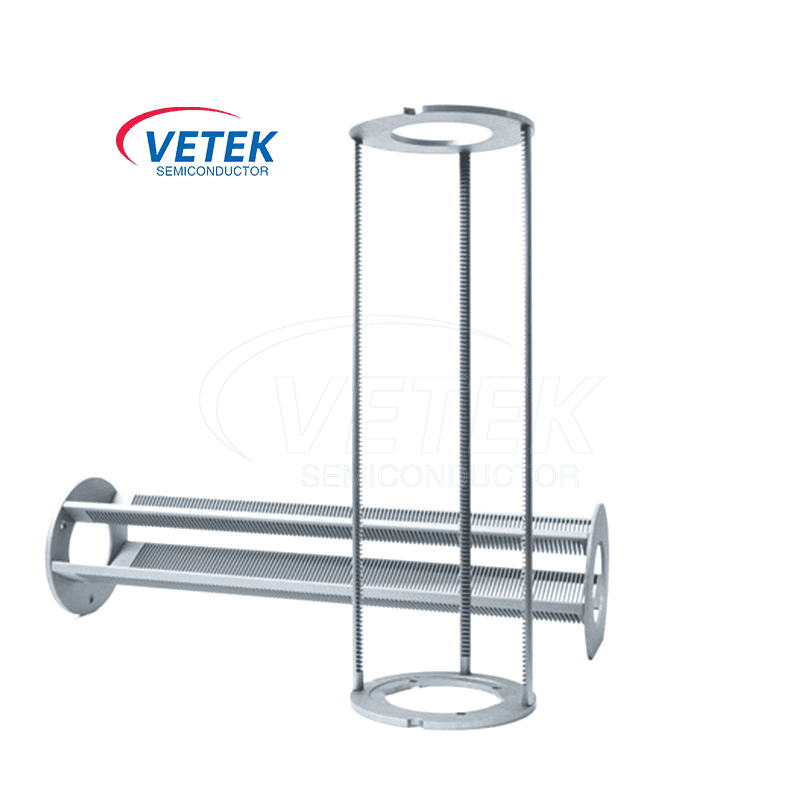
Silicon carbide (SiC) is an engineering ceramic material that combines high hardness, high thermal conductivity, and excellent chemical stability. SiC ceramics, formed through high-temperature sintering, not only exhibit superior thermal shock resistance but also maintain stable structure and size in oxidizing and corrosive environments. As a result, when fabricated into wafer boat form, it can reliably support high-temperature processes such as diffusion, annealing, and oxidation, making it particularly suitable for thermal processes operating at temperatures above 1100°C.
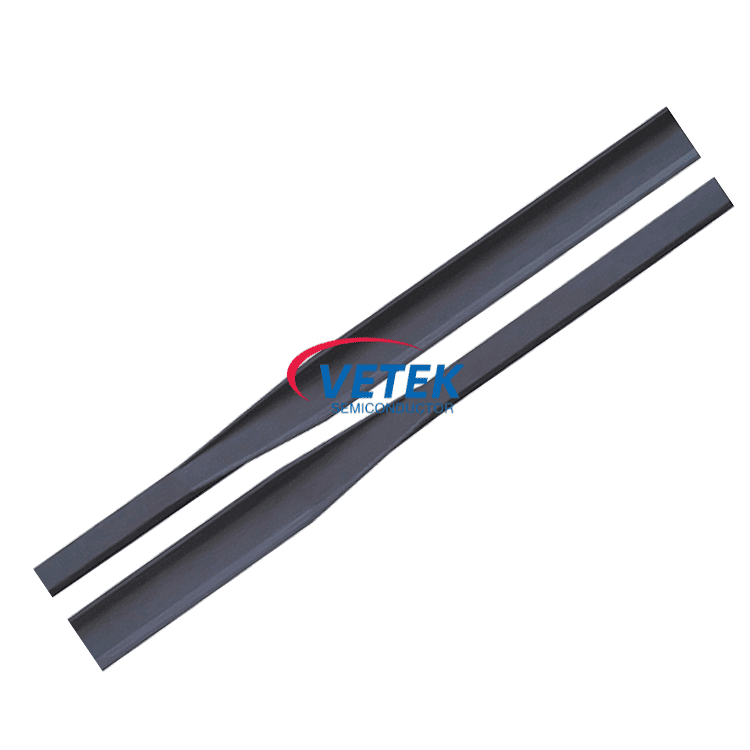
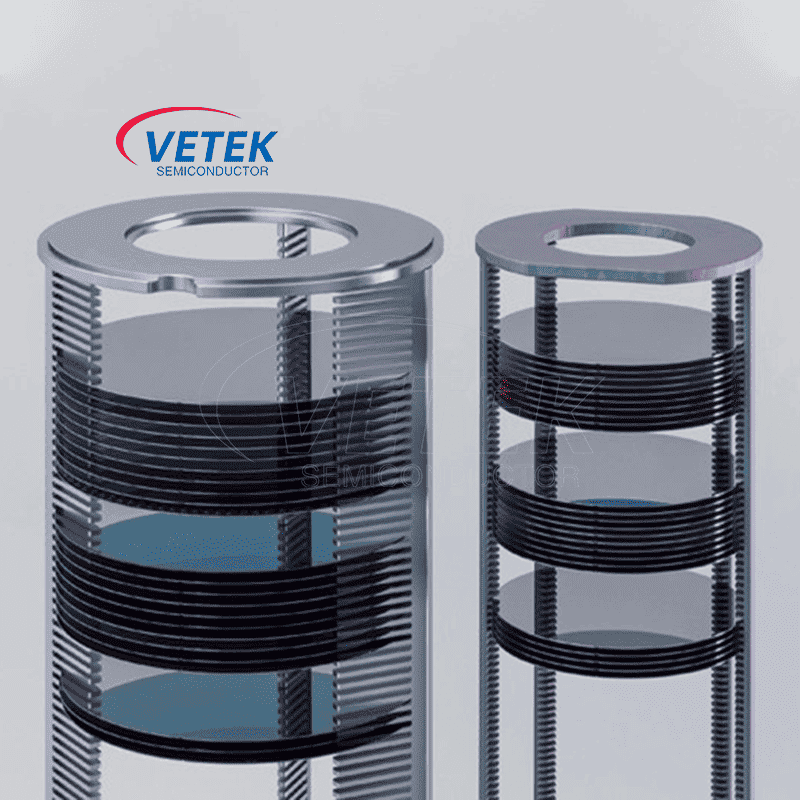
The structure of wafer boats is usually designed with a multi-layered, parallel grid configuration, capable of holding dozens or even hundreds of wafers simultaneously. The advantages of SiC ceramics in controlling thermal expansion coefficients make them less prone to thermal deformation or microcracking during high-temperature ramp-up and ramp-down processes. In addition, the metal impurity content can be strictly controlled, significantly reducing contamination risks at high temperatures. This makes them highly suitable for processes that are extremely sensitive to cleanliness, such as the manufacturing of power devices, SiC MOSFETs, MEMS, and other products.
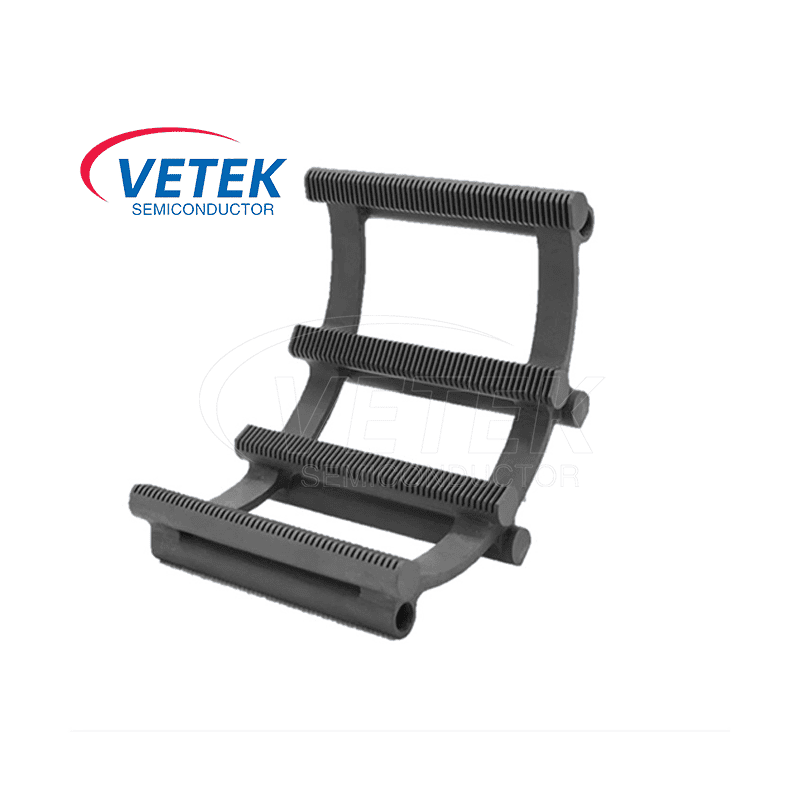
Compared to traditional quartz wafer boats, silicon carbide ceramic wafer boats typically have a service life 3-5 times longer under high-temperature, frequent thermal cycling conditions. Their higher rigidity and resistance to deformation allow for more stable wafer alignment, which helps improve yield. More importantly, SiC materials maintain minimal dimensional changes during frequent heating and cooling cycles, reducing wafer edge chipping or particle shedding caused by wafer boat deformation.
|
Comparison |
Quartz Wafer Boat |
SiC Ceramic Wafer Boat |
Graphite-Based Wafer Carrier |
|
Base Material |
High-purity fused silica (SiO₂) |
Engineered SiC ceramic |
High-purity graphite; may be coated |
|
Thermal Conductivity |
Relatively low |
Generally higher; grade-dependent |
Often high; grade- and direction-dependent |
|
Thermal Expansion |
Very low |
Higher than fused quartz |
Grade- and orientation-dependent |
|
High-Temperature Performance |
Established in qualified furnace processes; softening and devitrification may limit service |
Strong potential for demanding high-temperature applications; grade-dependent |
Suitable for selected inert/vacuum environments; bare graphite is unsuitable for many oxidizing processes |
|
Mechanical Characteristics |
Brittle; creep and deformation require evaluation |
High hardness and rigidity; still brittle |
Readily machined; strength varies by grade and temperature |
|
Contamination Control |
High-purity grades widely used in clean semiconductor processes |
Requires impurity, porosity and surface-condition qualification |
Bare graphite may introduce carbon-related contamination; coatings require integrity control |
|
Dimensional Design |
Established furnace-carrier configurations |
Precision ceramic designs |
Flexible machining; coating may affect final tolerances |
|
Typical Applications |
Diffusion, oxidation, LPCVD |
High-temperature diffusion, oxidation, annealing and qualified CVD |
Selected high-temperature, inert-atmosphere or coated-carrier applications |
Not all SiC wafer boats are manufactured from the same ceramic grade. Different manufacturing routes produce distinct microstructures and performance characteristics.
Recrystallized SiC is used in engineered high-temperature ceramic components. Depending on the grade, it may exhibit significant open porosity, which must be considered when evaluating contamination, cleaning and process compatibility.
Pressureless-sintered SiC can provide a dense ceramic structure with high hardness, mechanical strength and good thermal performance. Actual properties depend on the formulation, sintering process and material grade.
Reaction-bonded SiC generally contains a residual silicon phase. This can influence maximum service temperature and chemical compatibility, so its operating limits should not be assumed to be identical to those of RSiC or SSiC.
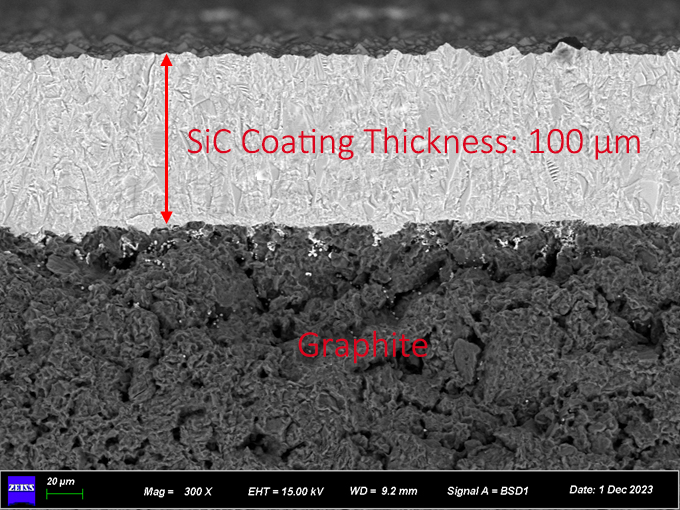
A SiC-coated graphite wafer carrier is a different construction from a monolithic SiC ceramic wafer boat.
It uses a graphite substrate protected by a deposited SiC coating. Such designs may offer advantages in specific thermal-processing environments, but coating integrity, exposed edges and potential contamination must be evaluated.
In industrial applications, silicon carbide ceramic wafer boats are gradually becoming the preferred choice for high-end equipment manufacturers in thermal processing processes, from traditional silicon devices to third-generation semiconductor materials. They are not only suitable for various thermal processing equipment, such as vertical tube furnaces and horizontal oxidation furnaces, but their stable performance in high-temperature, highly corrosive environments also provides stronger guarantees for process consistency and equipment capacity.
The gradual popularization of silicon carbide ceramic wafer boats marks the acceleration of advanced ceramic materials penetrating the core support components of semiconductor equipment. Compared to traditional quartz materials, their advantages in high-temperature stability, structural rigidity, and thermal fatigue resistance provide a reliable material foundation for the continued evolution of higher temperatures and more stringent process windows. Currently, 6-inch and 8-inch silicon carbide ceramic wafer boats are widely used in the mass production thermal treatment processes of power devices in the semiconductor industry.
The 12-inch specification is gradually being introduced into high-end processes and advanced production lines, becoming an important direction for the next phase of equipment and material collaboration. At the same time, 2-4 inch wafer boats continue to play a role in research platforms and specific process scenarios, such as LED substrate processing and process verification. Silicon carbide ceramic wafer boats will demonstrate greater advantages in stability, size control, and wafer capacity, driving the continuous evolution of related ceramic materials technology.
A wafer boat holds semiconductor wafers in accurately spaced positions during furnace processing. Its main functions are mechanical support, wafer alignment and compatibility with the thermal and chemical process environment.
SiC ceramic wafer boats generally provide higher thermal conductivity and greater high-temperature mechanical capability for suitable grades. Quartz wafer boats have much lower thermal expansion and are widely used in established clean semiconductor furnace processes. The preferred material depends on operating conditions.
There is no single temperature limit for all SiC ceramic wafer boats. Maximum operating temperature depends on the SiC grade, furnace atmosphere, mechanical load, exposure duration and thermal cycling. The finished component must be qualified for its intended process conditions.
Yes, appropriately selected and qualified SiC ceramic wafer boats can be used in diffusion and oxidation applications. Material chemistry, surface cleanliness, mechanical design and compatibility with process gases must be verified.
Wafer boats can be engineered for different furnace configurations, wafer dimensions, slot counts, pitches and support geometries, subject to manufacturing feasibility and design validation.
Solid SiC ceramic wafer boats use a ceramic body, whereas SiC-coated graphite carriers use a graphite substrate with a protective SiC layer. Their thermal response, failure mechanisms, contamination risks and service limits are different.
Potential causes include mechanical abrasion, unsuitable wafer-contact geometry, deposited-film buildup, thermal damage, surface defects and contamination during handling or cleaning. Root-cause analysis should consider the carrier material and actual furnace process.
+86-579-87223657
Wangda Road, Ziyang Street, Wuyi County, Jinhua City, Zhejiang Province, China