






QR Code

Products
Contact Us


Fax
+86-579-87223657

E-mail

Address
Wangda Road, Ziyang Street, Wuyi County, Jinhua City, Zhejiang Province, China



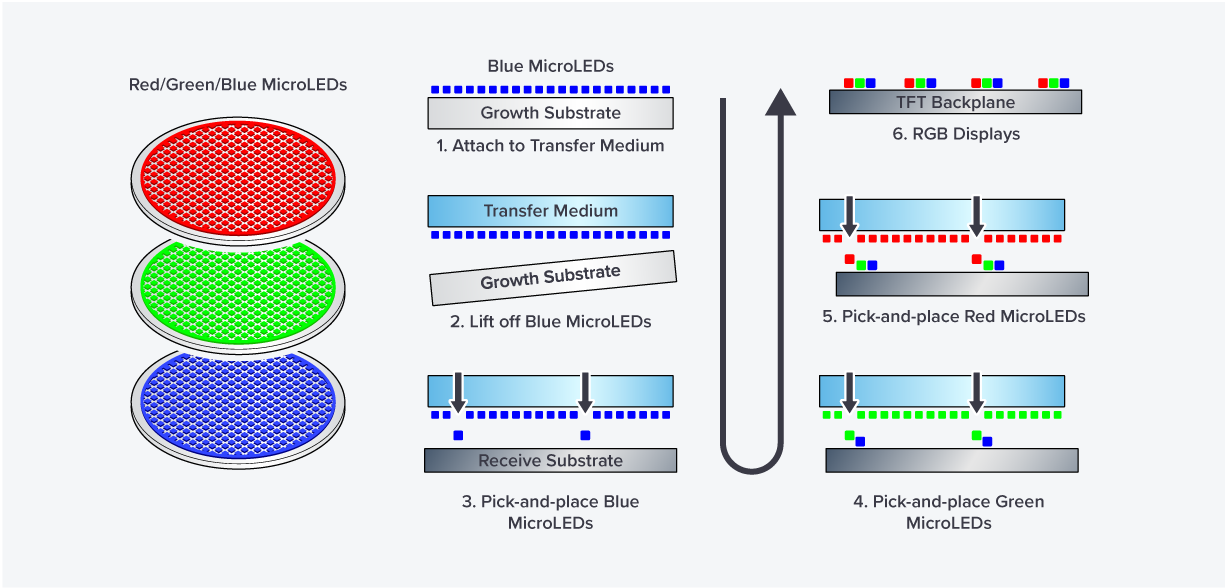
Q1: Why are MicroLEDs increasingly relying on SiC substrates?
It’s mostly a fight against heat and structural flaws. While sapphire was the old go-to, Silicon Carbide (SiC) is taking over because its thermal conductivity is simply on another level. This matters because in high-power MicroLED applications, you can’t afford "efficiency droop" caused by overheating. But there’s more to it than just staying cool. The lattice matching between SiC and the LED layers is incredibly tight—far better than silicon. This precision cuts down on defects from the start, making SiC substrates the logical, if more premium, foundation for displays that actually last.
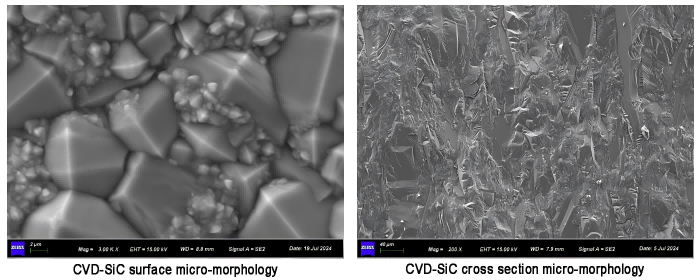
Q2: CVD SiC vs. Sintered SiC: Which one actually wins for MicroLED production?
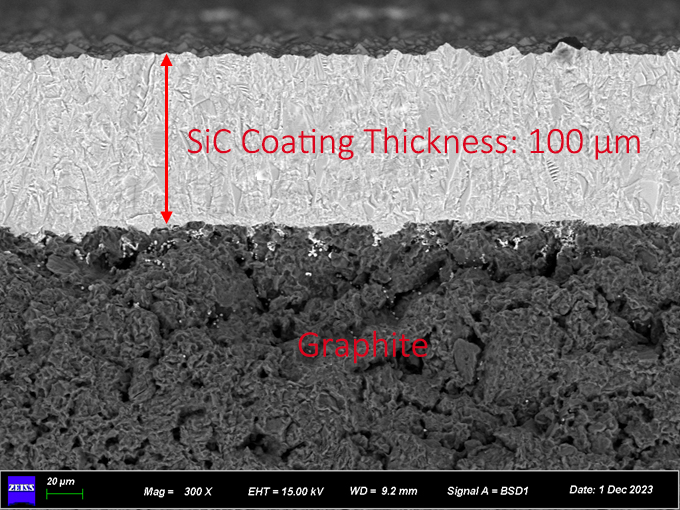
While both have their place, CVD (Chemical Vapor Deposition) SiC is the gold standard here. Why? Because it’s virtually pore-free and incredibly pure. Sintered SiC is tough, sure, but those tiny microscopic pores can wreak havoc on delicate semiconductor processes. If you’re aiming for high-yield MOCVD growth, the ultra-smooth, high-purity surface of CVD SiC is non-negotiable.
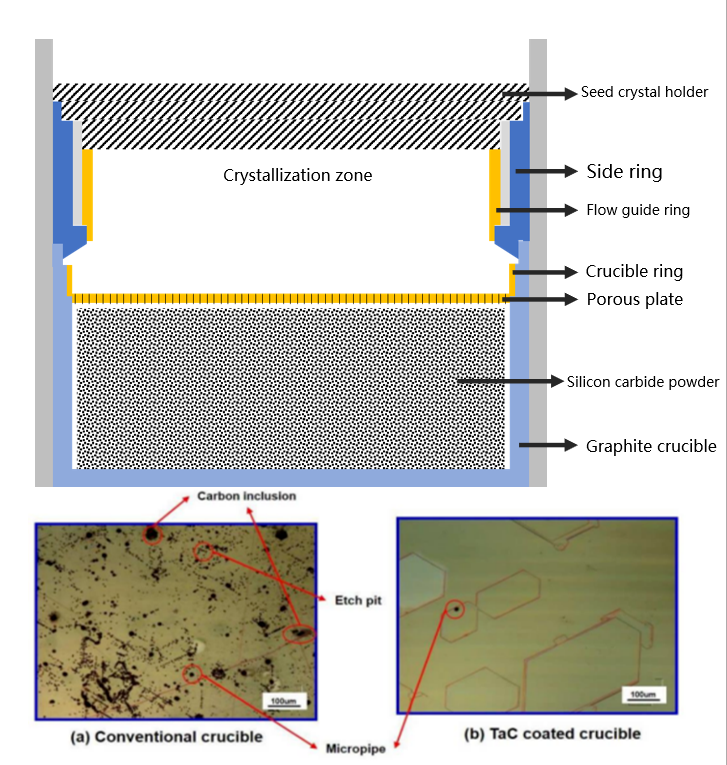
Q3: What makes TaC coatings so vital in the MOCVD process?
Think of Tantalum Carbide (TaC) as a high-tech shield. MOCVD environments are brutal—extreme heat and aggressive chemicals are the norm. A TaC coating forms a rugged barrier that stops equipment from corroding or shedding particles. It’s not just about making the hardware last longer; it’s about keeping the growth environment pristine so the LEDs themselves are flawless.
Q4: Which specific SiC components are "make or break" for MicroLED equipment?
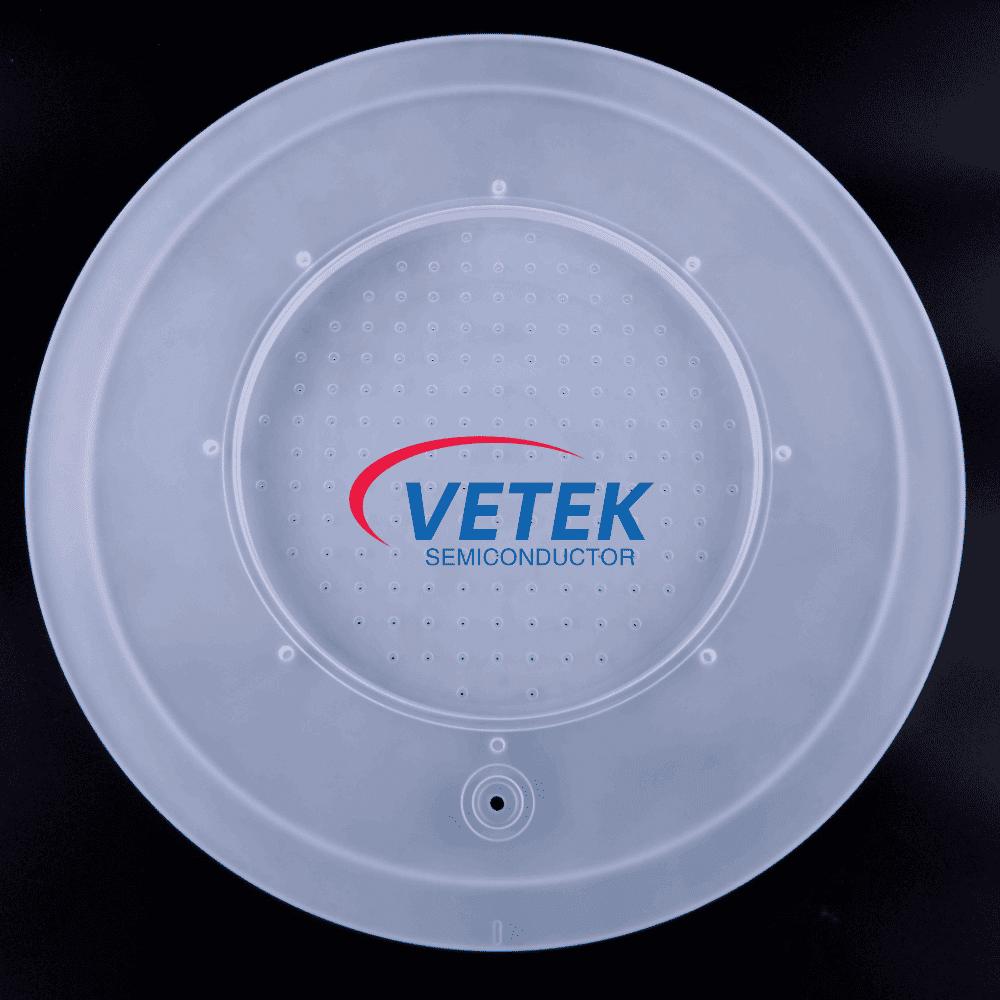
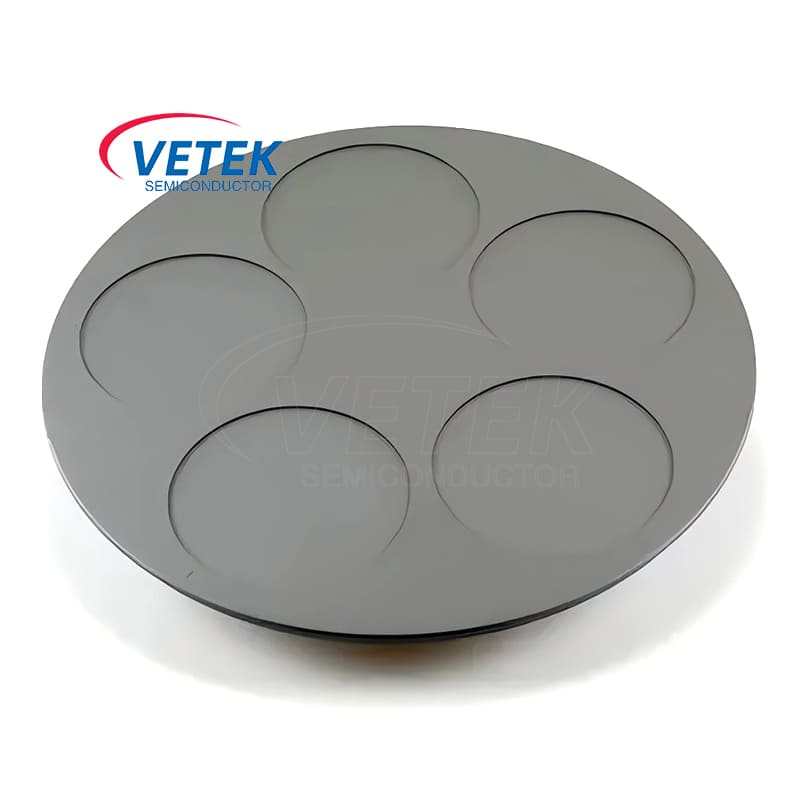
The heavy lifters are the susceptors, rings, and wafer carriers (or disks). These components are right in the line of fire during epitaxial growth. By treating these parts with CVD SiC or TaC, you ensure uniform heat distribution and chemical resistance. If these parts fail or fluctuate, your device yield will plummet.
5. What are the causes of low MicroLED yield rates? How do materials affect yield rates?
Honestly, low yield is the "elephant in the room" for MicroLED scaling. Most of these production failures come down to two culprits: massive thermal stress and those annoying stray particles that creep in during growth. This is where the choice of materials becomes a game-changer. By moving to premium SiC substrates and bringing in TaC-coated components, you’re basically building a fortress against defects. These materials create a rock-solid, predictable environment that keeps the wafers from cracking or warping under pressure. In short? Better materials mean fewer "duds" and a much smoother path to mass production.
Q6: Can we really eliminate particle contamination in MOCVD?
"Eliminate" is a strong word, but you can certainly minimize it. Standard components often degrade and "shed" particles over time. Coatings like TaC or CVD SiC create a chemically inert, glass-smooth surface that doesn’t flake. This cleanliness is exactly what separates a high-performing MicroLED from a defective one.
Q7: SiC vs. Sapphire vs. Silicon: A quick breakdown.
SiC: The premium choice. It handles heat like a pro and matches the lattice perfectly, though it comes at a higher price point.
Sapphire: The budget-friendly veteran. It's widely available but struggles with heat dissipation and higher defect rates.
Silicon: Great for integrating with existing electronics, but the thermal mismatch often leads to cracked layers or poor performance.
Q8: How do MicroLEDs fit into the future of third-gen semiconductors?
MicroLEDs are the "killer app" for third-generation materials like GaN and SiC. We are looking at a future defined by insane brightness and ultra-low power consumption. Whether it’s the next generation of AR/VR glasses or high-contrast automotive displays, the synergy between SiC substrates and protective coatings will be the backbone of the industry’s reliability.
+86-579-87223657
Wangda Road, Ziyang Street, Wuyi County, Jinhua City, Zhejiang Province, China