





QR Code

Products
Contact Us


Fax
+86-579-87223657

E-mail

Address
Wangda Road, Ziyang Street, Wuyi County, Jinhua City, Zhejiang Province, China



What is CVD SiC Coating?
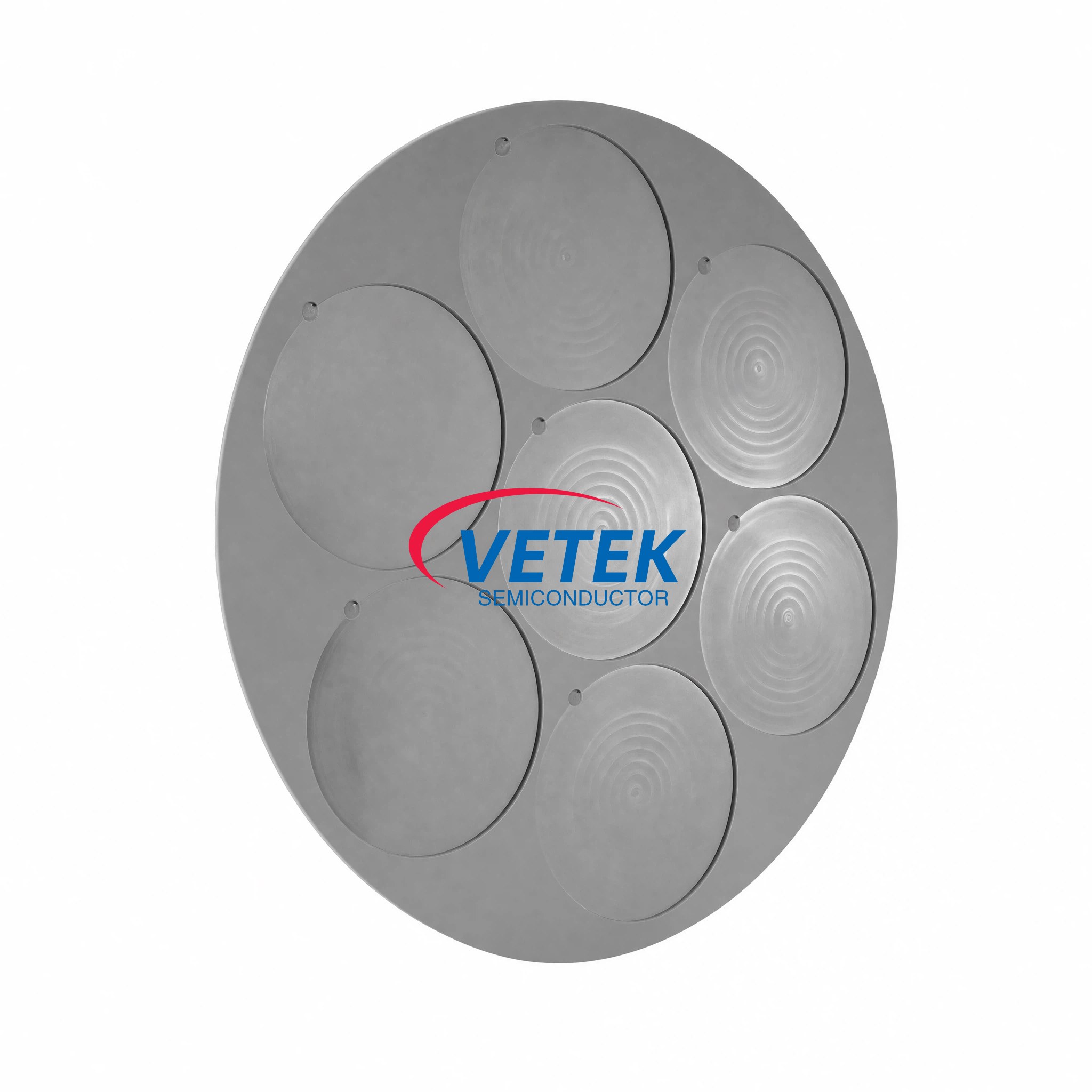
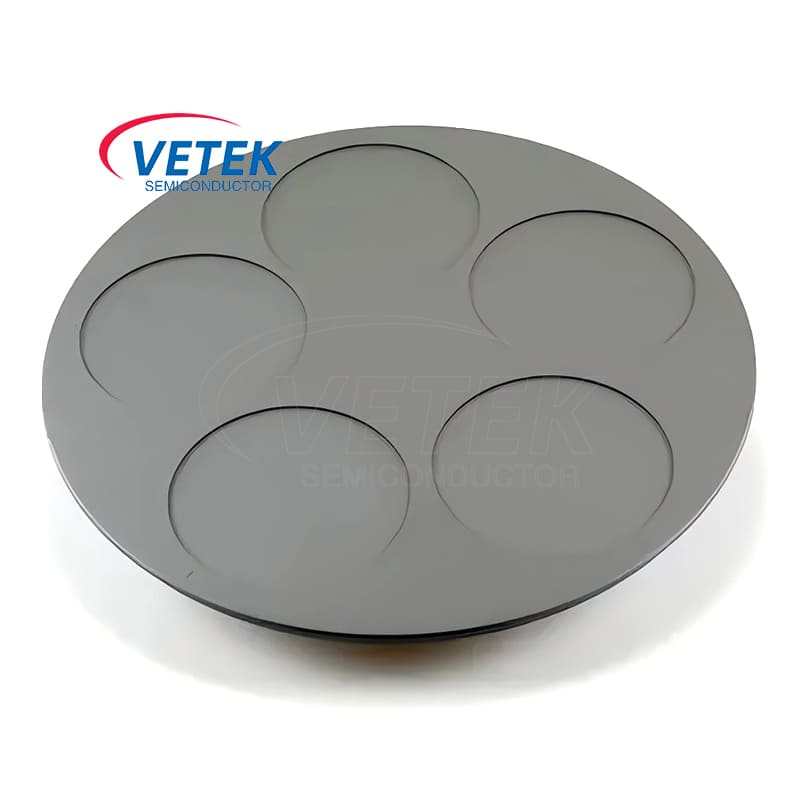
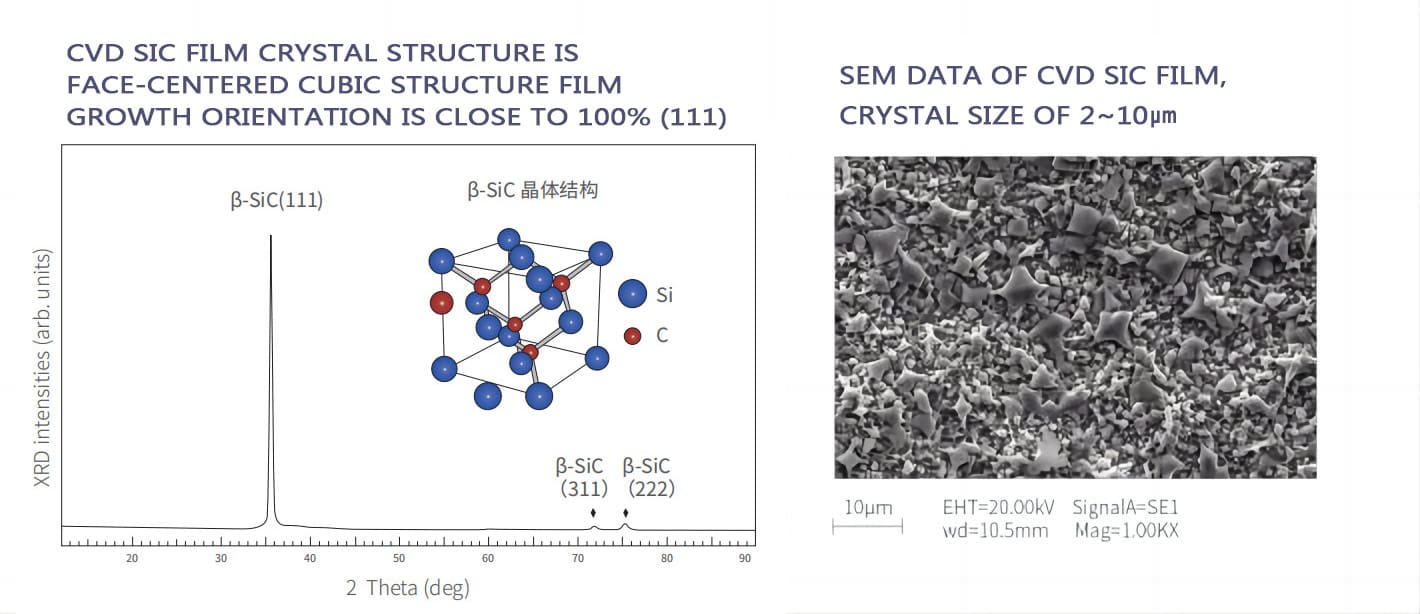
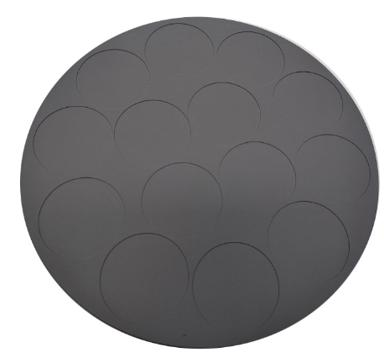
If you look at how components are protected inside semiconductor equipment, one common approach is to use a SiC coating formed by a CVD process.
In simple terms, a thin silicon carbide layer is created directly on the surface of parts like graphite or ceramic components. This layer acts as a barrier, so the base material doesn’t get exposed to heat, reactive gases, or plasma.
In actual use, what matters is how the coating behaves over time. For example, whether it stays stable after repeated heating cycles, or whether it starts to degrade in corrosive environments.
That’s where CVD SiC coatings are often used—they tend to hold up better under these combined conditions.
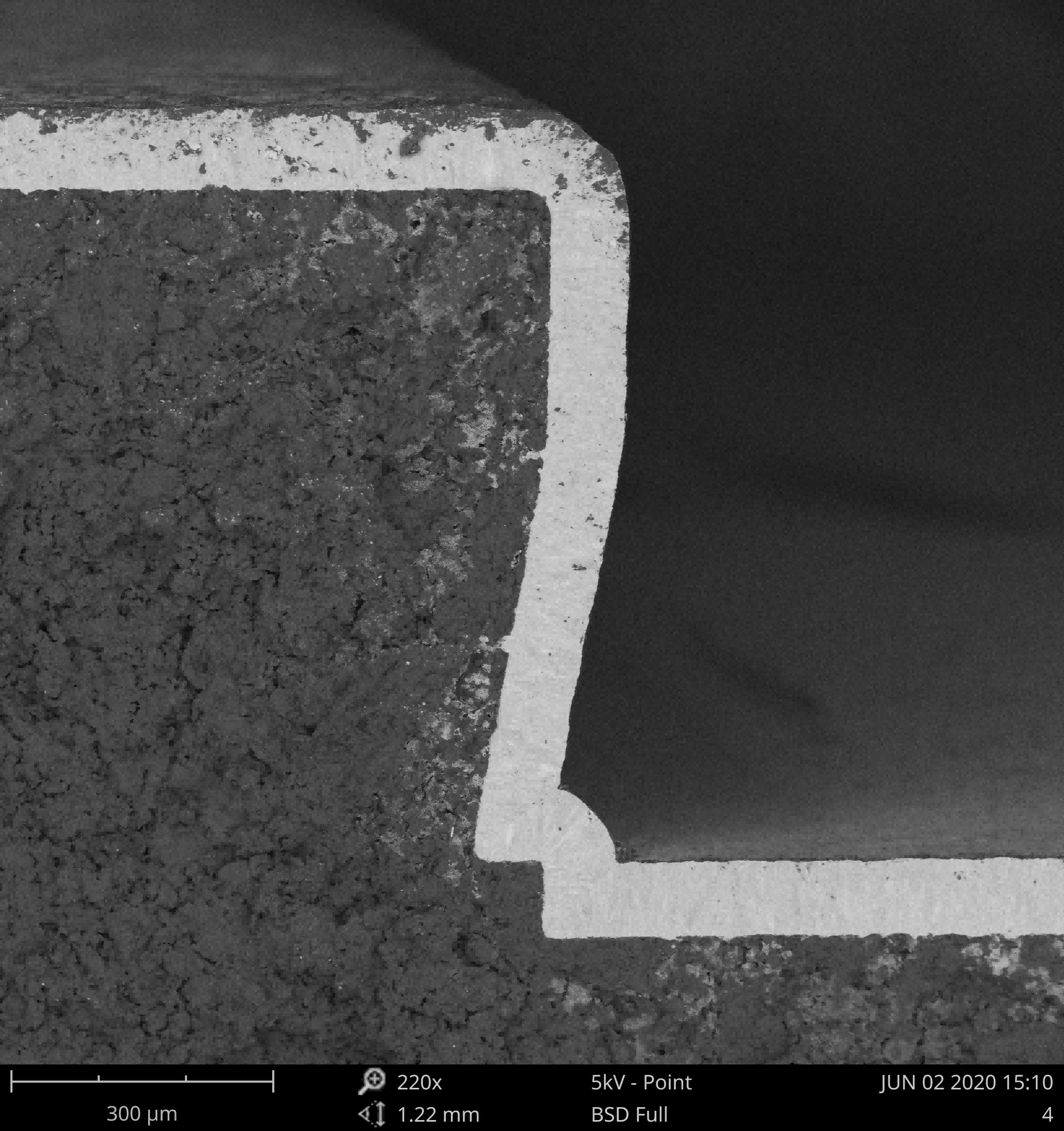
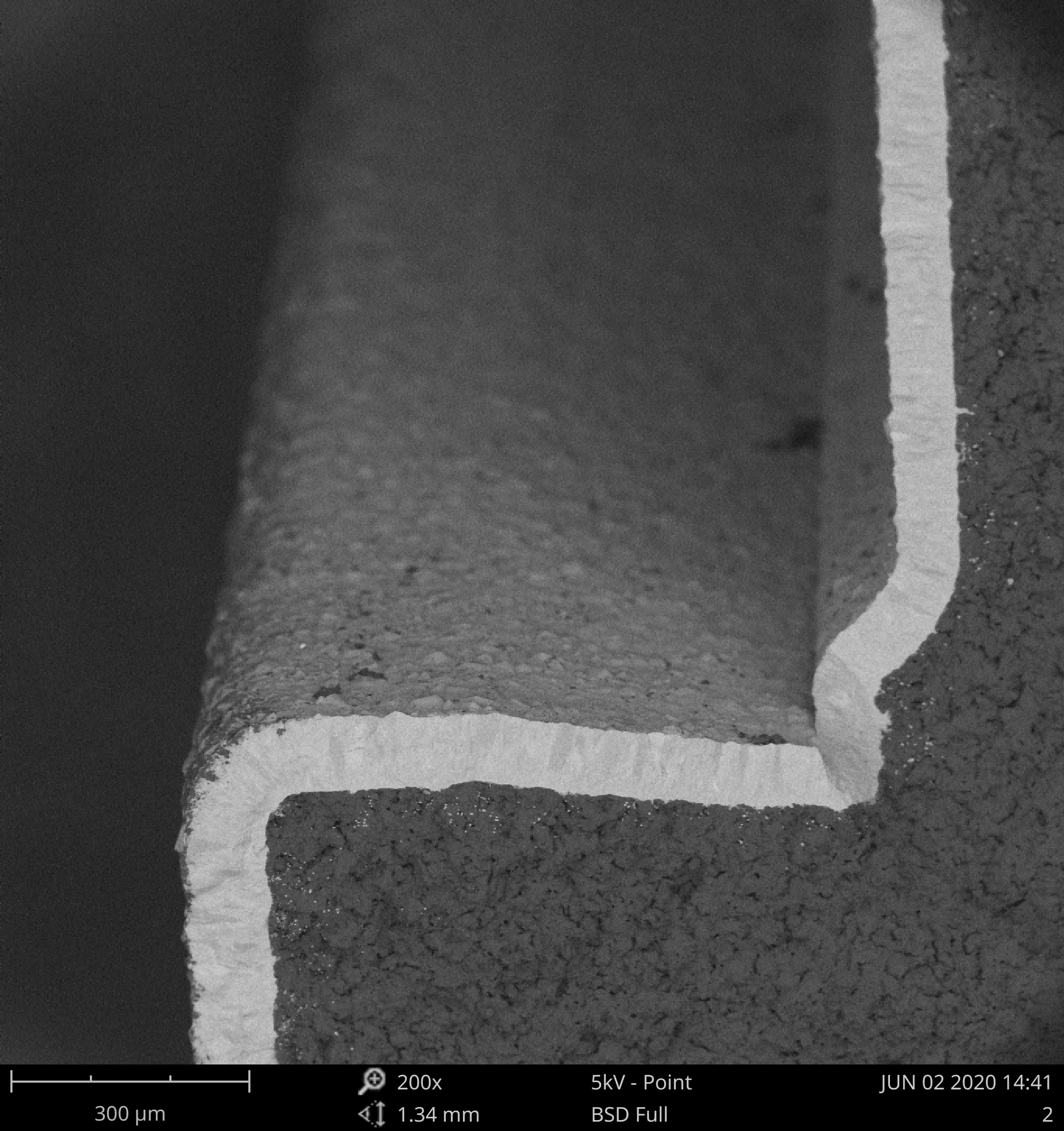
The uniformity of coating thickness between batches is controlled at 10um
CVD SiC Coating Process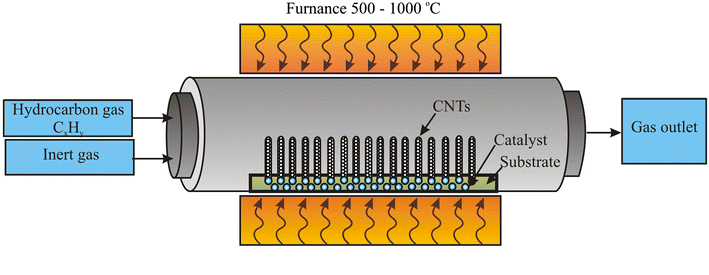
Key Benefits of CVD SiC Coating
In most applications, CVD SiC coating is chosen not for a single feature, but for how it performs overall.
Applications of CVD SiC Coating
Industry Perspective
As semiconductor processes continue to evolve, the expectations placed on materials used inside equipment are getting higher.
In real production environments, factors like coating purity, density, adhesion, and long-term stability directly affect tool performance and maintenance frequency. Even small variations can lead to yield loss or shorter component lifetimes.
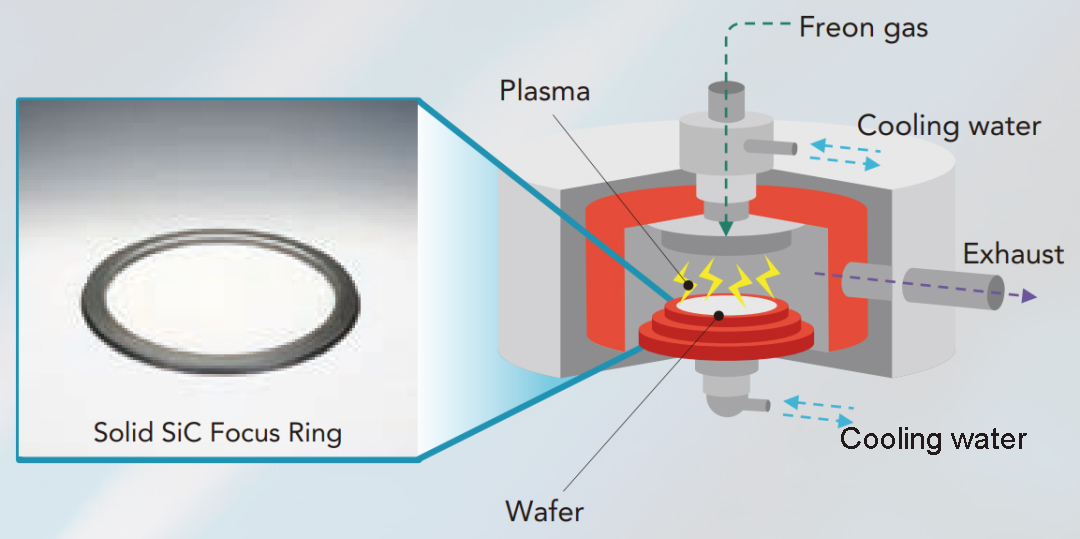
That’s one of the reasons CVD SiC coatings have become more common in recent years. They tend to hold up better in mixed environments where heat, reactive gases, and plasma are all present at the same time.
You’ll see a number of suppliers working on this, including VeTek Semiconductor, mainly focusing on improving process stability and making the coating performance more predictable over longer runs.
Conclusion
If you look at where it’s used today, CVD SiC coating is already a pretty standard choice in a lot of semiconductor and high-temperature setups.
The appeal is fairly straightforward:
Of course, no material is perfect, but for many applications—especially epitaxy and plasma-related processes—it’s a practical and proven option.
As process conditions continue to tighten, it’s likely that materials like SiC coatings will keep gaining traction, simply because they offer a good balance between performance and reliability.
+86-579-87223657
Wangda Road, Ziyang Street, Wuyi County, Jinhua City, Zhejiang Province, China