



QR Code

Products
Contact Us


Fax
+86-579-87223657

E-mail

Address
Wangda Road, Ziyang Street, Wuyi County, Jinhua City, Zhejiang Province, China



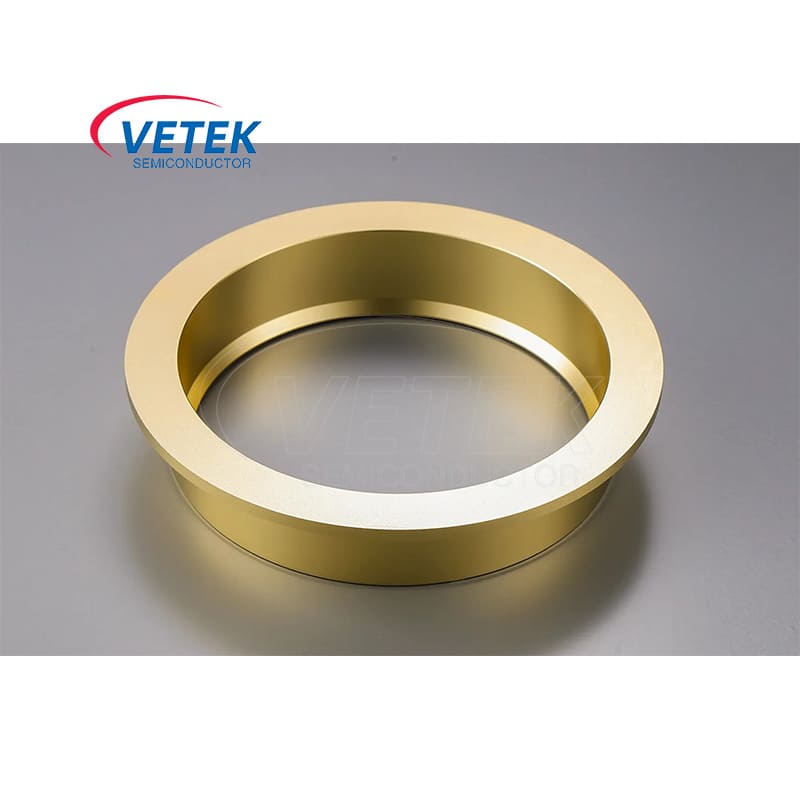
In the high-stakes world of semiconductor manufacturing, where precision and extreme environments coexist, Silicon Carbide (SiC) focus rings are indispensable. Known for their exceptional thermal resistance, chemical stability, and mechanical strength, these components are critical to advanced plasma etching processes.
The secret behind their high performance lies in Solid CVD (Chemical Vapor Deposition) technology. Today, we take you behind the scenes to explore the rigorous manufacturing journey—from a raw graphite substrate to a high-precision "invisible hero" of the fab.
I. The Six Core Manufacturing Stages
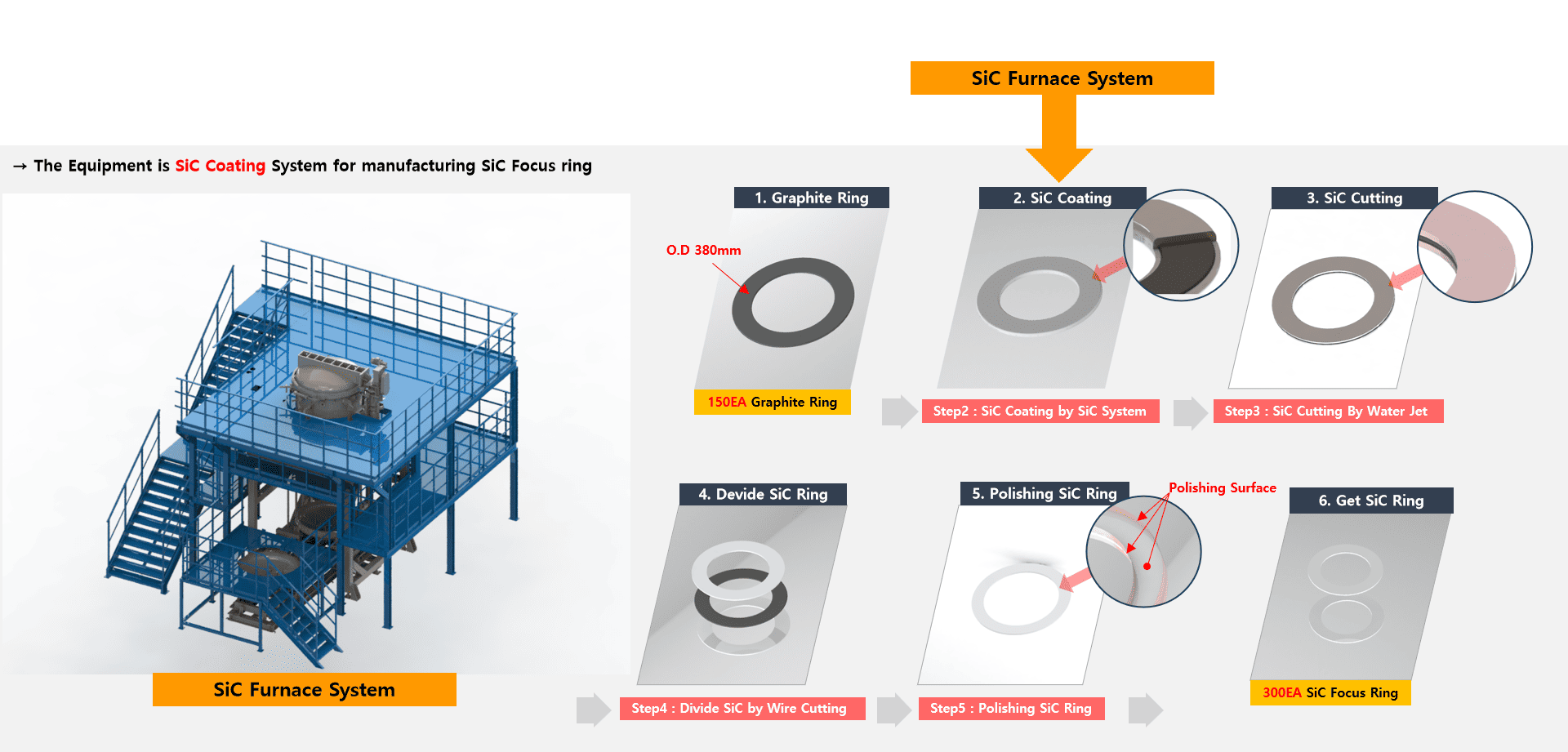
The production of Solid CVD SiC focus rings is a highly synchronized six-step process:
Through a mature process management system, every batch of 150 graphite substrates can yield approximately 300 finished SiC focus rings, demonstrating high conversion efficiency.
II. Technical Deep Dive: From Raw Material to Finished Part
1. Material Prep: High-Purity Graphite Selection
The journey begins with selecting premium graphite rings. The purity, density, porosity, and dimensional accuracy of the graphite directly impact the adhesion and uniformity of the subsequent SiC coating. Before processing, every substrate undergoes purity testing and dimensional verification to ensure zero impurities interfere with the deposition.
2. Coating Deposition: The Heart of Solid CVD
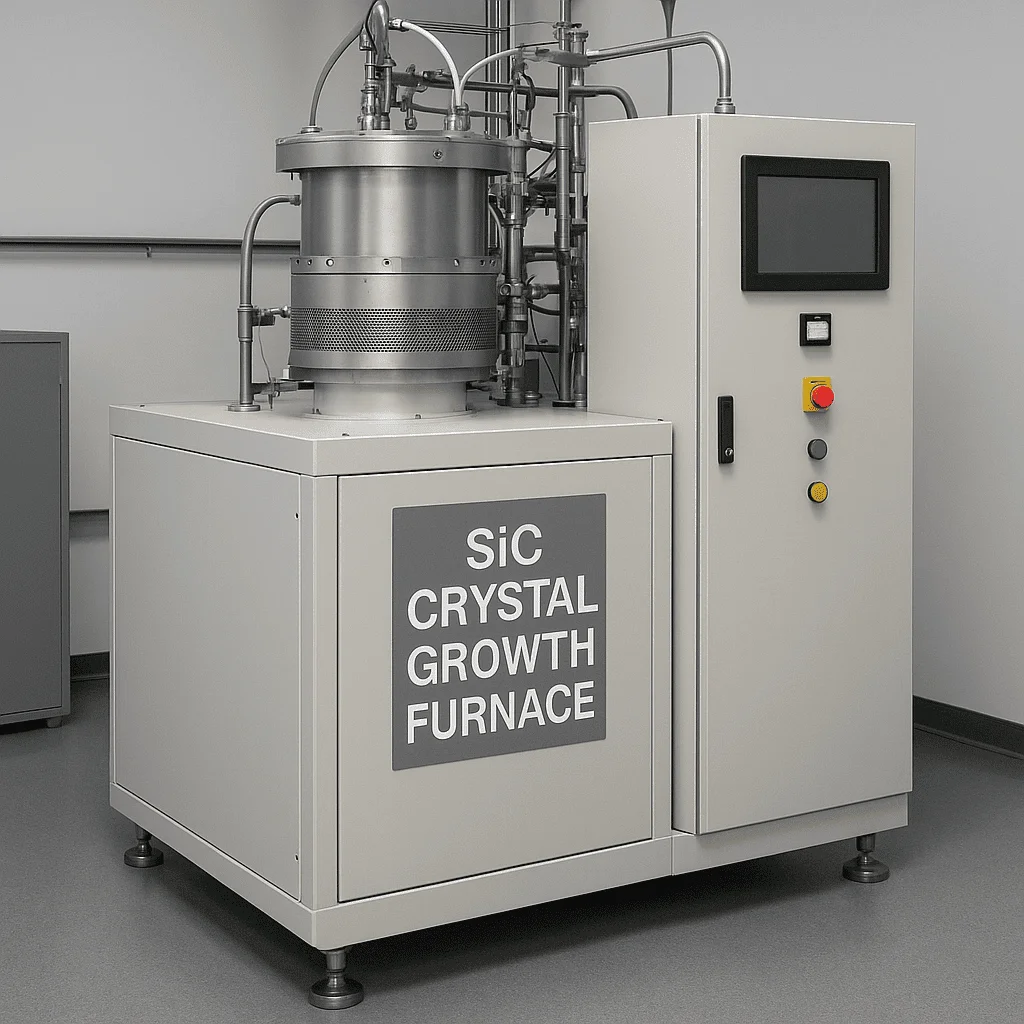
The CVD process is the most critical phase, conducted in specialized SiC furnace systems. It is divided into two demanding stages:
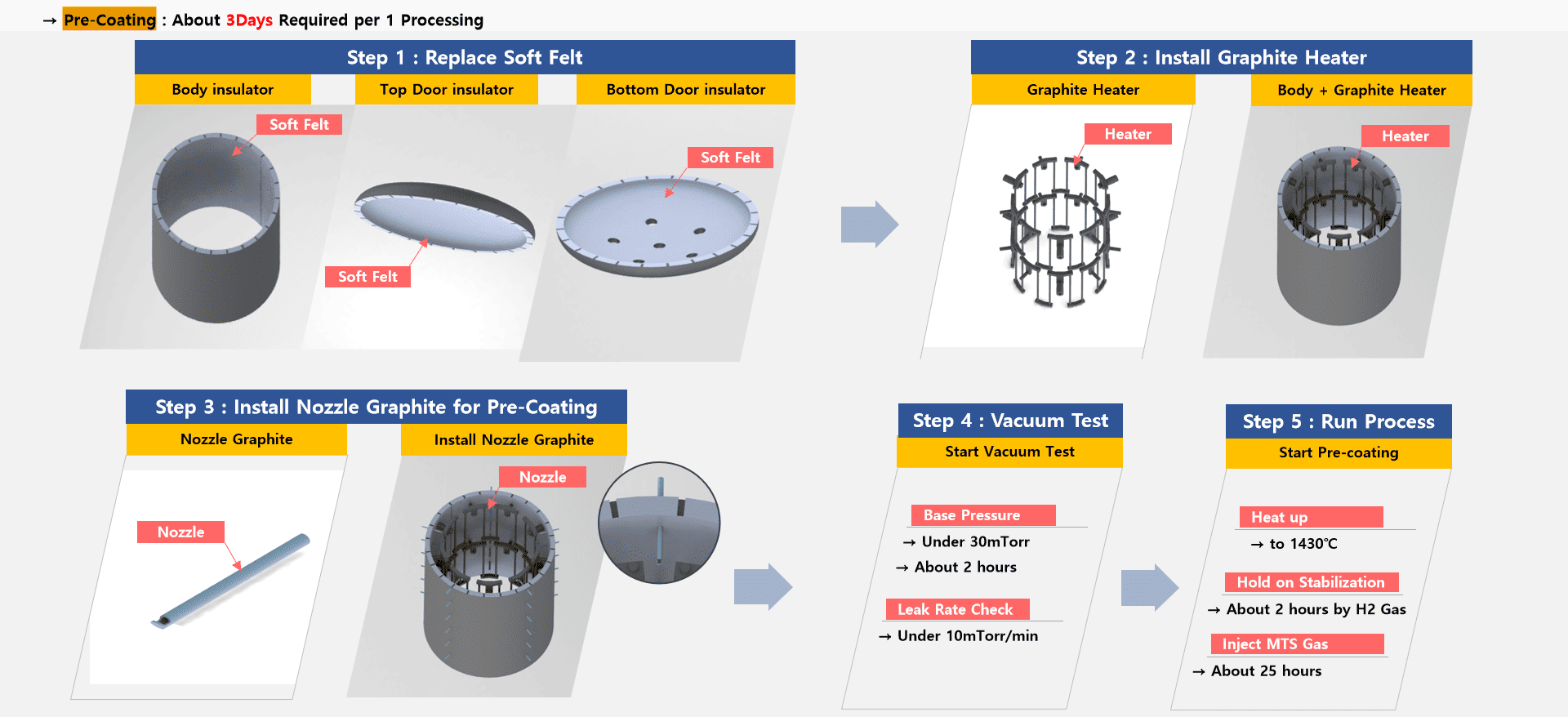
(1) Pre-Coating Process (~3 Days/Batch):
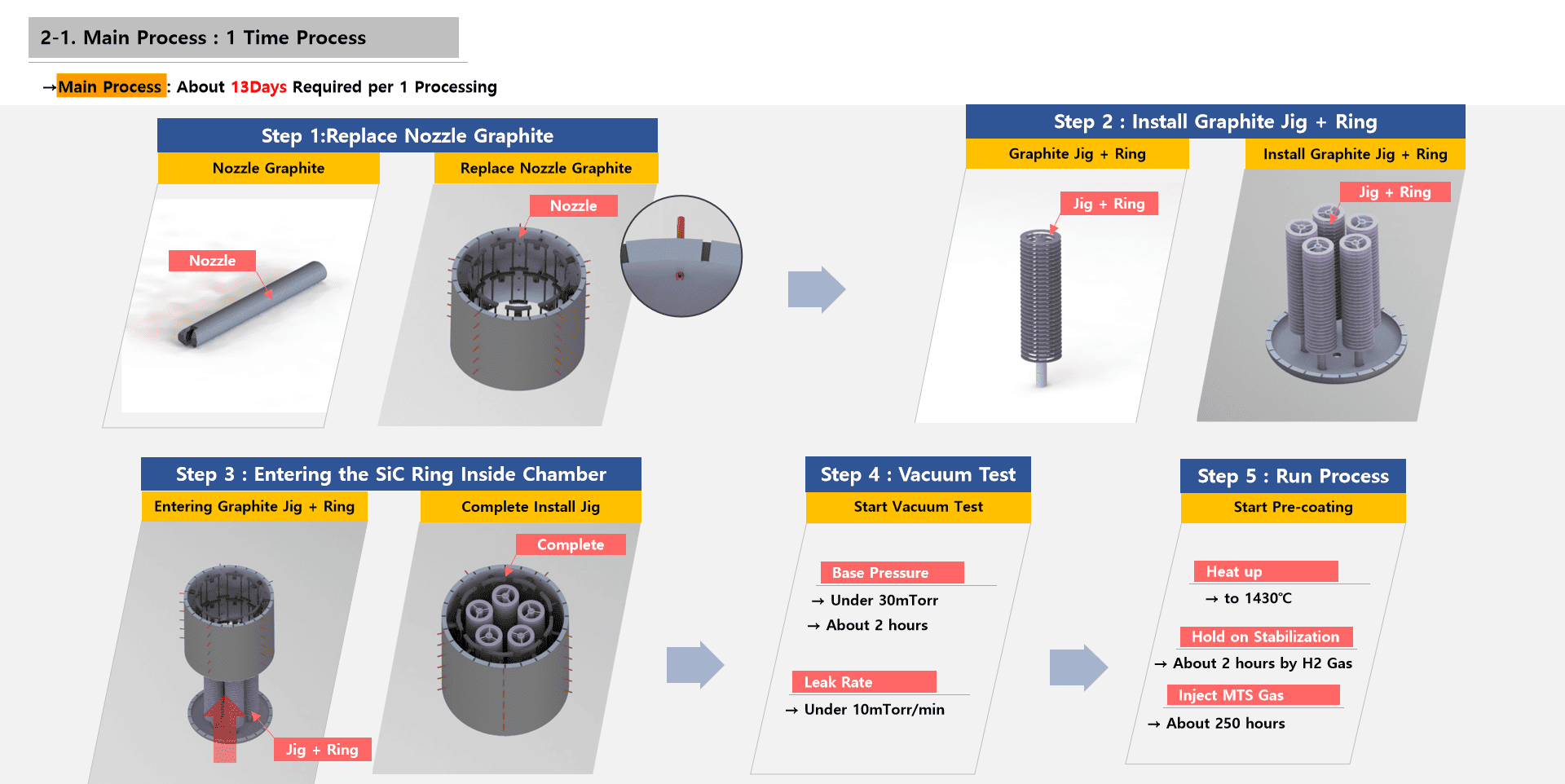
(2) Main Coating Process (~13 Days/Batch):
3. Shaping & Precision Separation
4. Surface Finishing: Precision Polishing
Post-cutting, the SiC surface undergoes polishing to eliminate microscopic flaws and machining textures. This reduces surface roughness, which is vital for minimizing particle interference during the plasma process and ensuring consistent wafer yields.
5. Final Inspection: Standard-Based Validation
Every component must pass rigorous checks:
III. The Ecosystem: Equipment Integration and Gas Systems
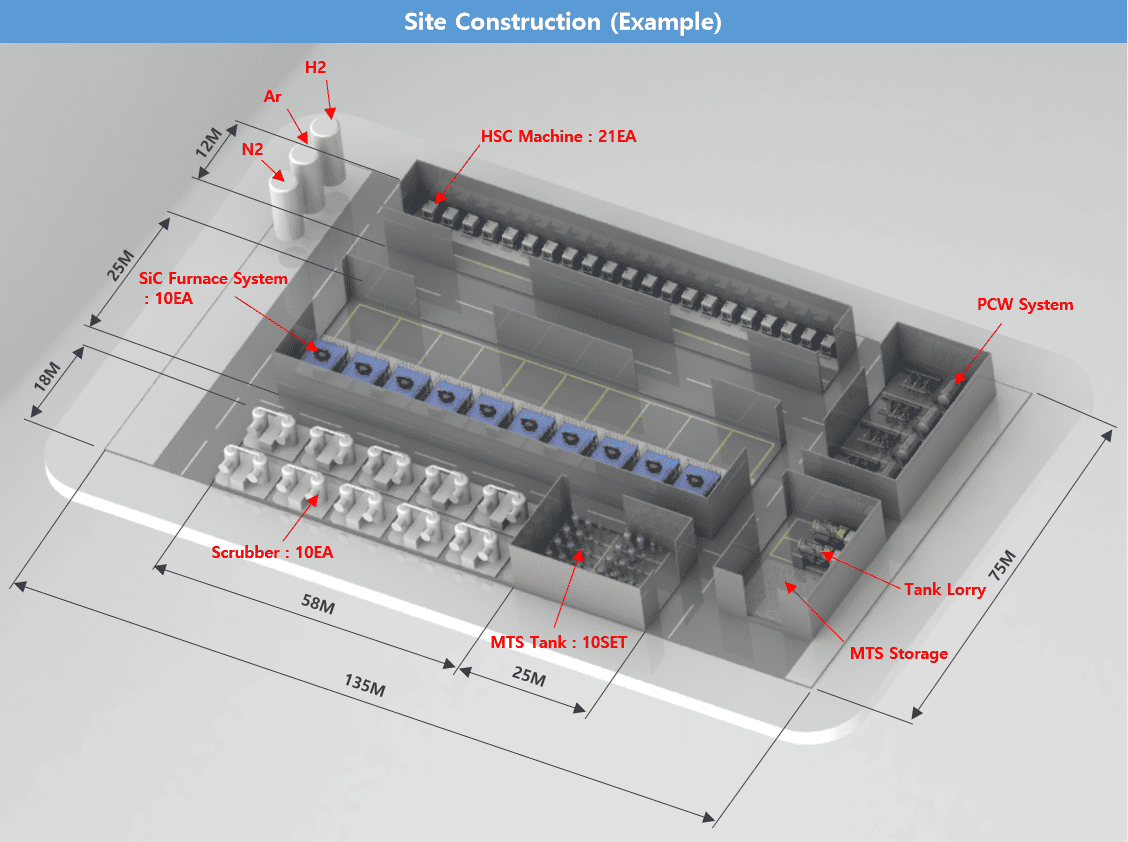
1. Key Equipment Configuration
A world-class production line relies on sophisticated infrastructure:
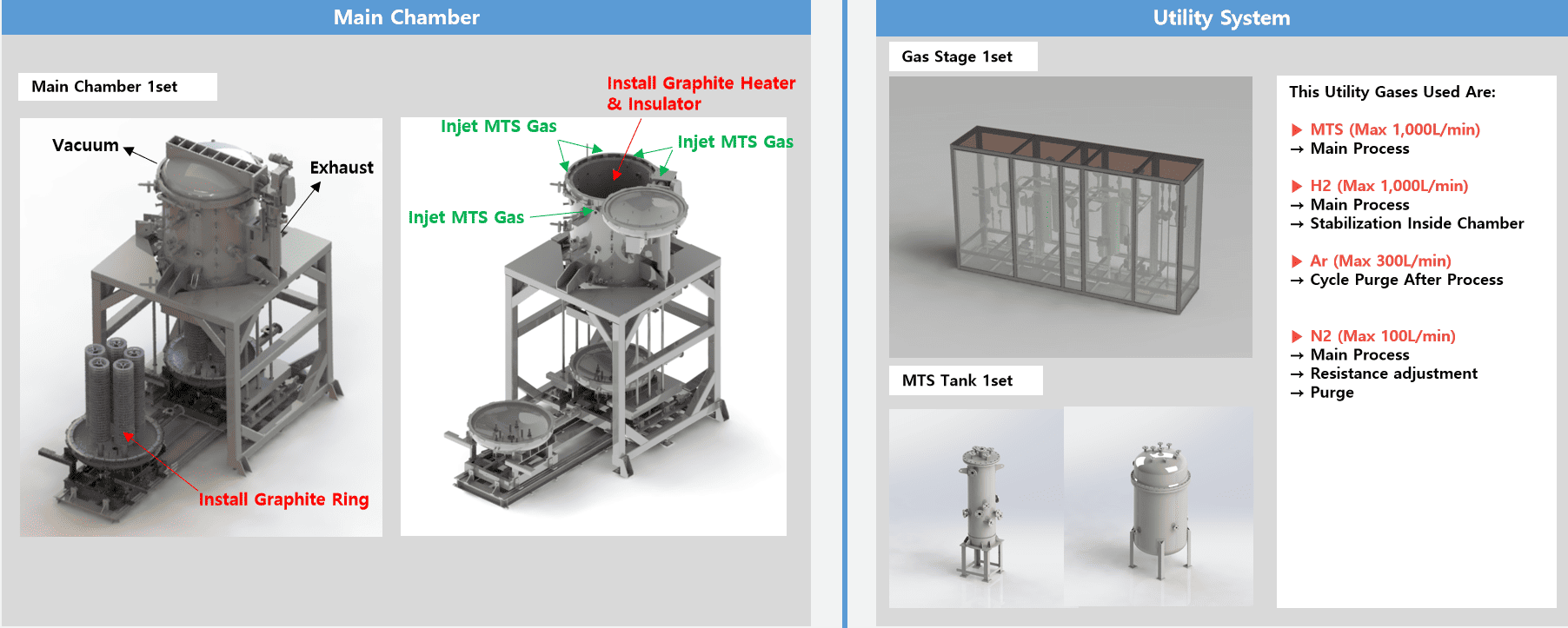
2. Core Gas System Functions
Conclusion
A Solid CVD SiC focus ring may appear to be a "consumable," but it is actually a masterpiece of material science, vacuum technology, and gas control. From its graphite origins to the finished component, every step is a testament to the rigorous standards required to support advanced semiconductor nodes.
As process nodes continue to shrink, the demand for high-performance SiC components will only grow. A mature, systematic manufacturing approach is what ensures stability in the etch chamber and reliability for the next generation of chips.
+86-579-87223657
Wangda Road, Ziyang Street, Wuyi County, Jinhua City, Zhejiang Province, China