News

Industry News

The Key to Efficiency and Cost Optimization: An Analysis of CMP Slurry Stability Control and Selection Strategies30 2026-01

The Key to Efficiency and Cost Optimization: An Analysis of CMP Slurry Stability Control and Selection Strategies

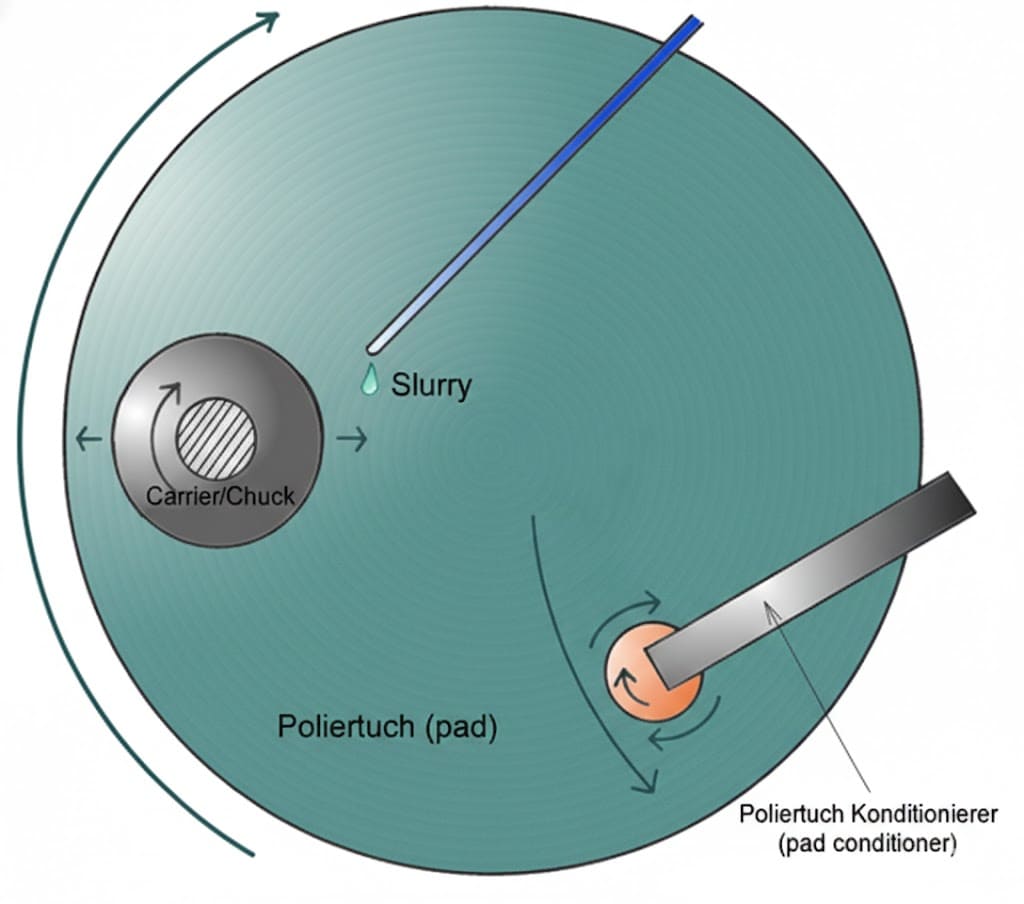
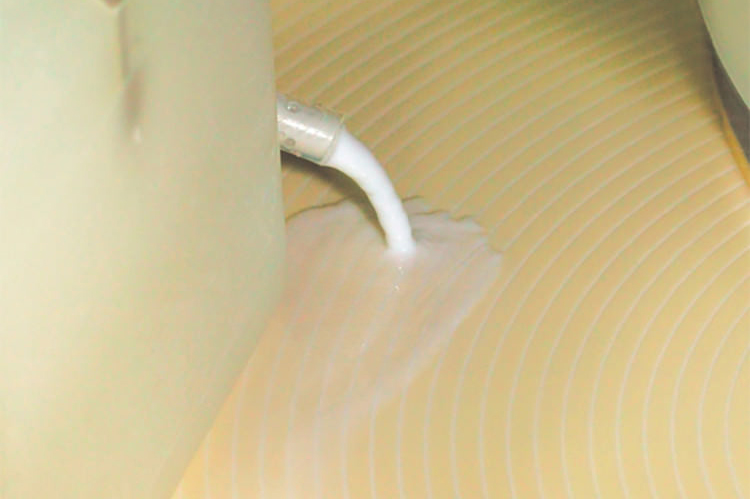
In semiconductor manufacturing, the Chemical Mechanical Planarization (CMP) process is the core stage for achieving wafer surface planarization, directly determining the success or failure of subsequent lithography steps. As the critical consumable in CMP, the performance of the Polishing Slurry is the ultimate factor in controlling Removal Rate (RR), minimizing defects, and enhancing overall yield.
​Inside the Manufacturing of Solid CVD SiC Focus Rings: From Graphite to High-Precision Parts23 2026-01

​Inside the Manufacturing of Solid CVD SiC Focus Rings: From Graphite to High-Precision Parts

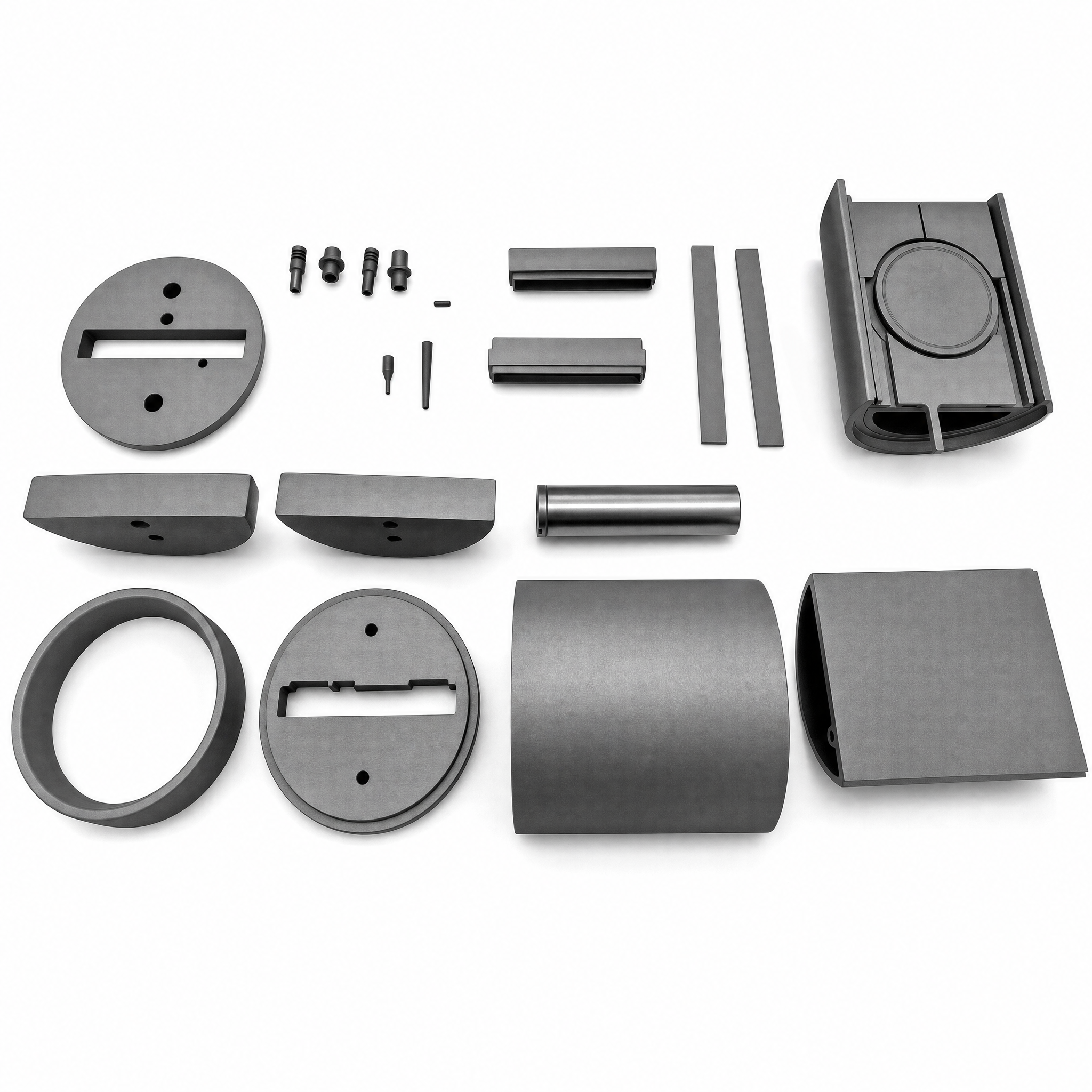
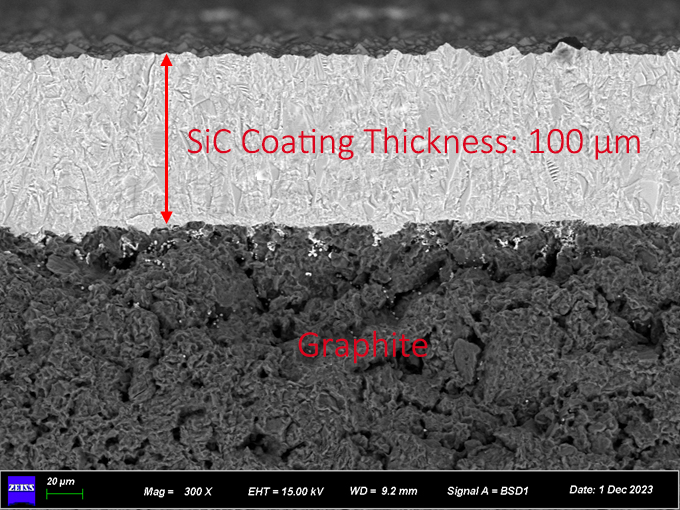
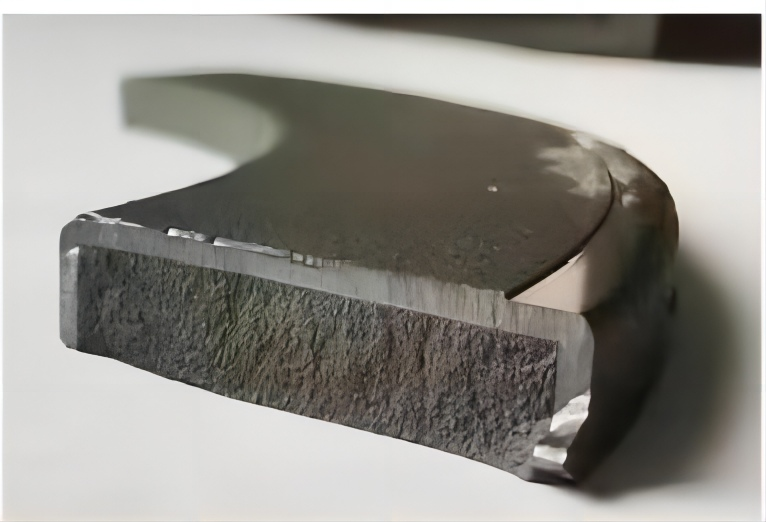
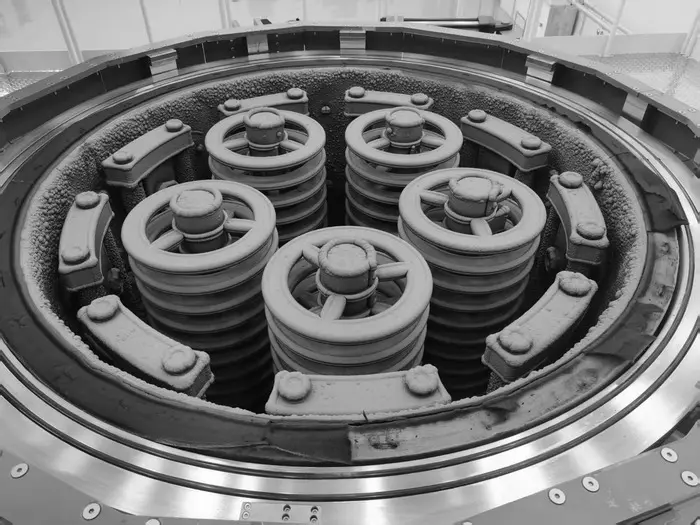
In the high-stakes world of semiconductor manufacturing, where precision and extreme environments coexist, Silicon Carbide (SiC) focus rings are indispensable. Known for their exceptional thermal resistance, chemical stability, and mechanical strength, these components are critical to advanced plasma etching processes. The secret behind their high performance lies in Solid CVD (Chemical Vapor Deposition) technology. Today, we take you behind the scenes to explore the rigorous manufacturing journey—from a raw graphite substrate to a high-precision "invisible hero" of the fab.
What are the Diverse Applications of Quartz in Semiconductor Manufacturing?14 2026-01

What are the Diverse Applications of Quartz in Semiconductor Manufacturing?

High-purity quartz materials play a vital role in the semiconductor industry. Their superior high-temperature resistance, corrosion resistance, thermal stability, and light transmission properties make them critical consumables. Quartz products are used for components in both high-temperature and low-temperature zones of wafer production, ensuring the stability and cleanliness of the manufacturing process.
The Solution to the Carbon Encapsulation Defect in Silicon Carbide Substrates12 2026-01

The Solution to the Carbon Encapsulation Defect in Silicon Carbide Substrates

With the global energy transition, the AI revolution, and the wave of new-generation information technologies, silicon carbide (SiC) has rapidly advanced from being a "potential material" to a "strategic foundational material" due to its exceptional physical properties.
What is Silicon Carbide(SiC)Ceramic Wafer Boat?08 2026-01

What is Silicon Carbide(SiC)Ceramic Wafer Boat?

In semiconductor high-temperature processes, the handling, supporting, and thermal treatment of wafers rely on a special supporting component—the wafer boat. As process temperatures rise and cleanliness and particle control requirements increase, traditional quartz wafer boats gradually reveal issues such as short service life, high deformation rates, and poor corrosion resistance.
Why is SiC PVT Crystal Growth Stable in Mass Production?29 2025-12

Why is SiC PVT Crystal Growth Stable in Mass Production?

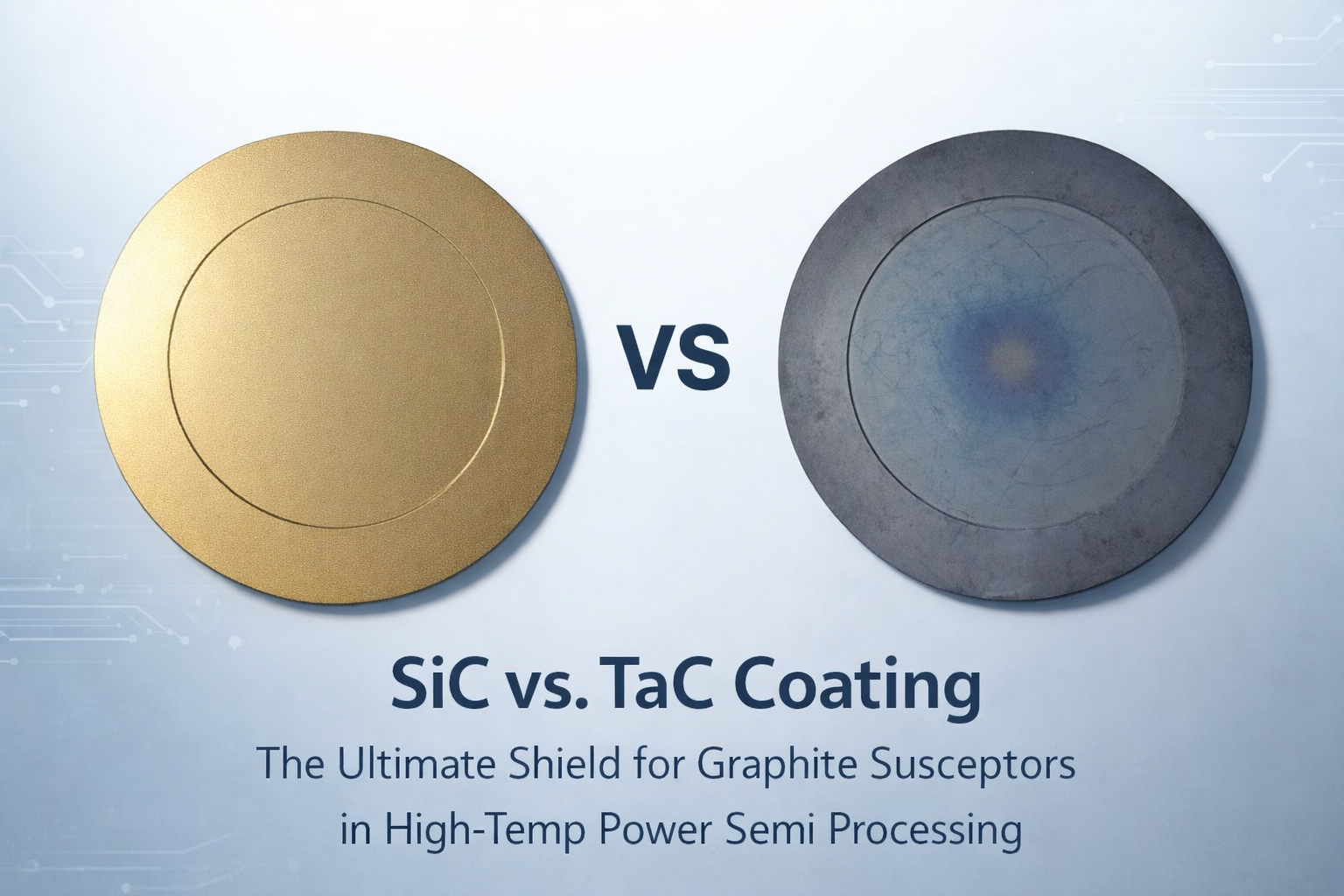
For industrial-scale production of silicon carbide substrates, the success of a single growth run is not the end goal. The real challenge lies in ensuring that crystals grown across different batches, tools, and time periods maintain a high level of consistency and repeatability in quality. In this context, the role of tantalum carbide (TaC) coating goes beyond basic protection—it becomes a key factor in stabilizing the process window and safeguarding product yield.
X
We use cookies to offer you a better browsing experience, analyze site traffic and personalize content. By using this site, you agree to our use of cookies. Privacy Policy
Reject Accept